

SEASONAL GARDENING TIPS FOR NDIS PARTICIPANTS: WHAT TO EXPECT YEAR-ROUND IN AUSTRALIA
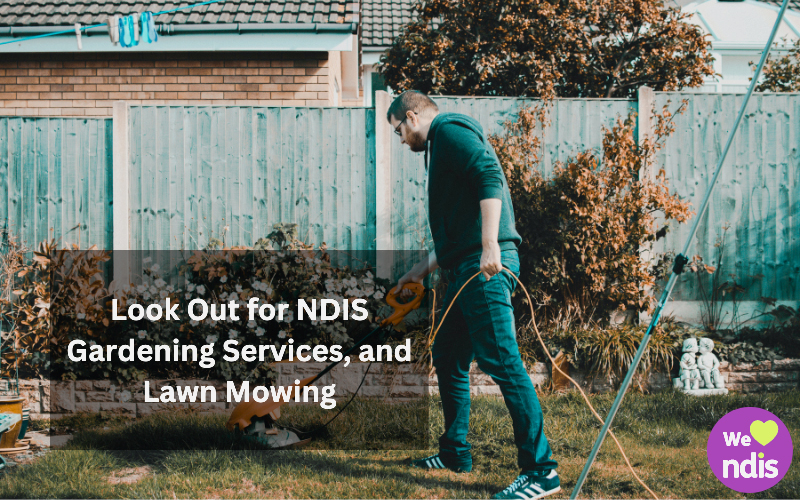
Gardening can be a wonderful way to enjoy the outdoors, stay active, and create a space that feels calming and rewarding. For NDIS participants, gardening also offers therapeutic benefits, from reducing stress to improving mobility and independence. But since Australia experiences four distinct seasons, knowing what to expect and how to prepare your garden year-round can make the experience much more enjoyable.
In this blog, we’ll walk through seasonal gardening tips tailored for Australia’s climate to help you plan, grow, and maintain your garden across the year.
Spring (September – November): A Season of Growth
Spring is the perfect time to refresh your garden. Warmer weather, longer days, and blooming flowers make it ideal for planting and enjoying the outdoors.
Tips for NDIS Participants:
- Plant colourful flowers like daisies, marigolds, and geraniums to brighten your space.
- Start a vegetable patch with tomatoes, capsicums, and herbs.
- Use raised garden beds or pots to reduce bending and make planting more accessible.
- Remember to wear sun protection, as UV levels rise quickly in spring.
Summer (December – February): Beat the Heat
Australia’s summers can be hot and dry, so your garden and your comfort need extra care.
Tips for NDIS Participants:
- Water early in the morning to prevent plants from drying out and reduce water loss.
- Choose low-maintenance, drought-tolerant plants like lavender, succulents, or native grasses.
- Create shady spots with umbrellas or small pergolas for both comfort and plant protection.
- Stay cool by gardening in the early morning or late afternoon to avoid the midday heat.
Autumn (March – May): Preparing for Change
Autumn is a great season to prepare your garden for the cooler months while still enjoying mild weather.
Tips for NDIS Participants:
- Plant cool-season veggies like spinach, broccoli, and carrots.
- Add mulch to garden beds to protect soil and retain moisture.
- Enjoy colourful autumn blooms like camellias or chrysanthemums.
- Use lightweight tools with ergonomic handles to make tasks easier on your hands and joints.
Winter (June – August): A Time to Rest and Plan
Winter in Australia is cooler and quieter for gardening, but it’s also a chance to tidy up and plan for the seasons ahead.
Tips for NDIS Participants:
- Grow hardy vegetables such as kale, cabbage, and peas.
- Prune roses, fruit trees, and shrubs to encourage healthy spring growth.
- Take time to design or plan your garden layout for the coming year.
- Use this quieter season to focus on indoor plants if outdoor gardening feels too chilly.
Why Gardening Matters for NDIS Participants
Gardening is more than just a hobby—it can support wellbeing in many ways:
- Physical health: Gentle exercise helps with strength, mobility, and flexibility.
- Mental wellbeing: Being in nature reduces stress and boosts mood.
- Independence: Gardening tasks encourage self-reliance and confidence.
- Social connection: Gardening with family, carers, or community groups builds meaningful relationships.
Final Thoughts
No matter the season, gardening can be an enjoyable and therapeutic activity for NDIS participants. By adjusting your garden care to the Australian seasons, you’ll not only keep your plants thriving but also create a space that supports your health, independence, and happiness all year round.
If you need assistance with gardening tasks, remember that NDIS-funded support services can help with everything from planting to maintenance, making gardening more accessible and enjoyable for everyone. Please don’t hesitate to contact Our Radiant Clean Gardeners if you need any help
📞 Call us: +61 3 9367 7198
🌐 Book online: https://radiantclean.com.au/services/gardening/
 Watch video: https://www.youtube.com/@radiantcleanndis

