

COMMON ELECTRICAL HAZARDS IN NDIS HOMES AND HOW TO PREVENT THEM
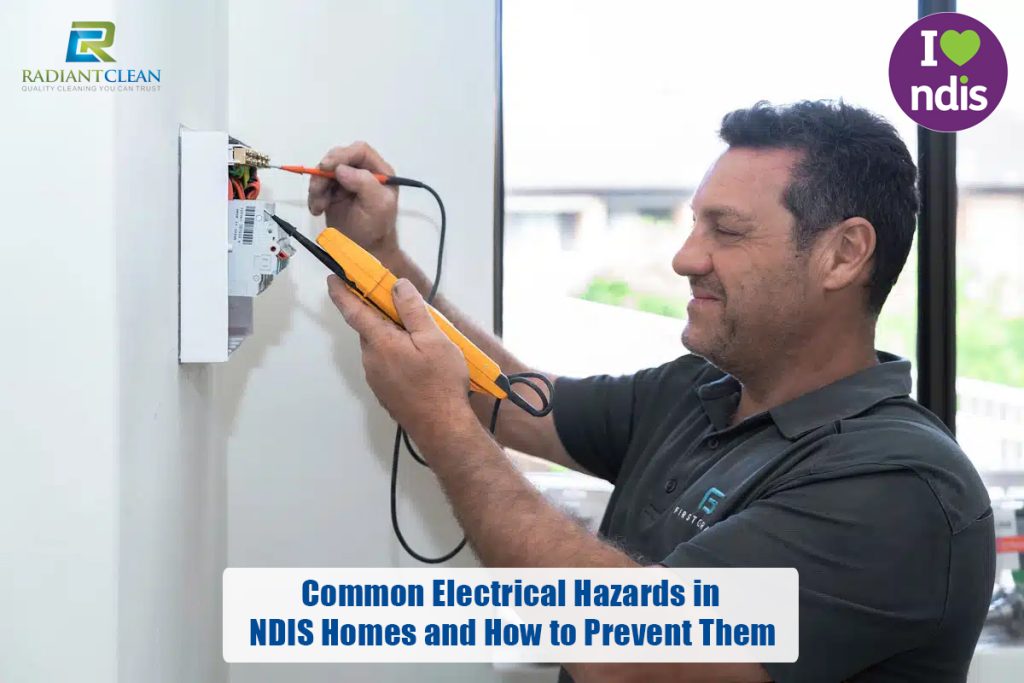
Electrical safety is a critical consideration in NDIS housing. Many participants spend most of their time at home and rely heavily on electrical systems for daily living, mobility aids, or medical equipment. Electrical hazards can pose serious risks, particularly for participants with physical, cognitive, or sensory impairments. Understanding these risks helps Support Coordinators ensure safer, more suitable living environments.
Why Electrical Safety Is Important in NDIS Homes
NDIS participants may be more vulnerable to electrical hazards due to reduced mobility, slower reaction times, vision impairment, or reliance on powered assistive technology. Electrical incidents can lead to injury, fire risk, service disruption, and plan review concerns. Proactive electrical safety management helps reduce risks while supporting participant independence and wellbeing.
Common Electrical Hazards and Prevention Strategies
- Faulty or Outdated Wiring
Older properties or frequently modified homes may have wiring that no longer meets current safety standards, increasing the risk of electric shock or fire.
Prevention:
Arrange regular inspections by licensed electricians and ensure all work complies with Australian electrical standards.
- Overloaded Power Points
Multiple devices such as mobility chargers, communication aids, and medical equipment can overload power points and power boards.
Prevention:
Install additional power points, use surge-protected power boards, and avoid double adapters.
- Unsafe Power Point Placement
Poorly positioned outlets may require participants to bend, stretch, or move around obstacles, increasing fall risk.
Prevention:
Install power points at accessible heights and locations that suit the participant’s mobility needs.
- Inadequate Lighting
Insufficient or uneven lighting can affect participants with low vision or cognitive impairments, increasing anxiety and fall risk.
Prevention:
Install bright, glare-free lighting and use motion-sensor lights in hallways, bathrooms, and entrances.
- Missing Safety Switches (RCDs)
Safety switches are essential for preventing serious electric shocks, yet some older homes lack compliant devices.
Prevention:
Ensure RCDs are installed on all circuits and tested regularly.
The Role of Support Coordinators
Support Coordinators can identify risks, arrange professional electrical services, support NDIS funding justification, and collect compliance documentation. Electrical safety improvements may be funded under Core Supports or Capital Supports when linked to safety, accessibility, or independence goals.
Conclusion
Electrical hazards in NDIS homes are preventable. By addressing risks early and working with experienced electricians, Support Coordinators help create safer living environments that support participant wellbeing, compliance, and long-term independence.
If you need any assistance, please don’t hesitate to contact our Radiant Clean Experts:
📞 Call us: +61 3 9367 7198
🌐 Book online: https://radiantclean.com.au/services/electrician/
▶️ Watch video: https://www.youtube.com/@radiantcleanndis

