

AVOIDING COMMON MISTAKES WHEN REQUESTING HOME MAINTENANCE FUNDING UNDER NDIS
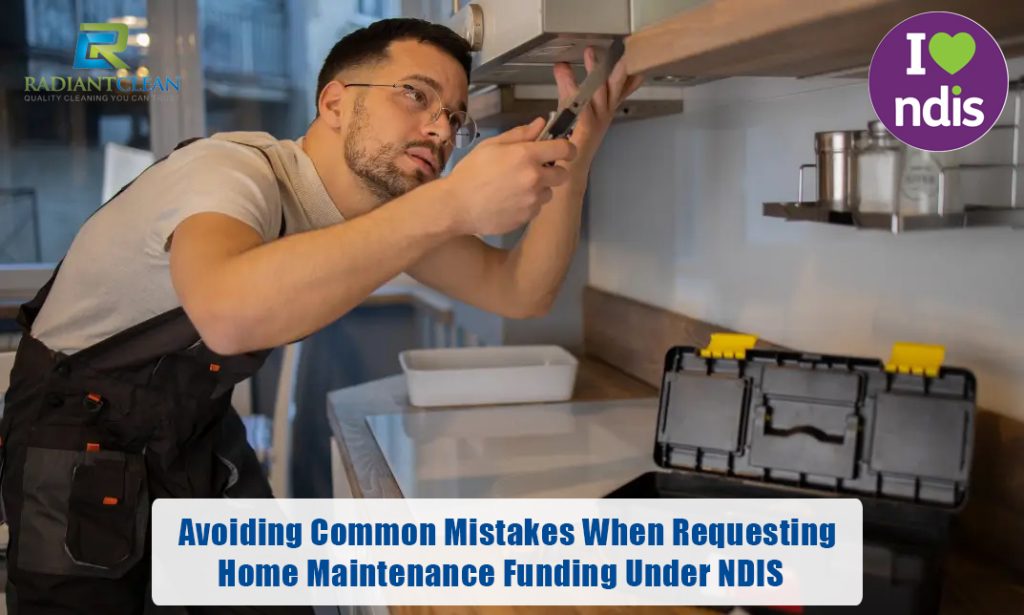
Requesting home maintenance funding under the National Disability Insurance Scheme (NDIS) can be complex for Support Coordinators. While minor repairs and handyman services may improve safety and independence, approval depends on meeting the “reasonable and necessary” criteria. Avoiding common mistakes can significantly improve success rates.
-
Not Linking the Repair to the Participant’s Disability
A frequent mistake is failing to clearly explain how the maintenance relates to the participant’s disability. NDIS does not cover general property upkeep. However, repairs may qualify if they reduce risks or support functional capacity.
For example:
- Fixing uneven flooring to prevent falls
- Repairing door handles for participants with limited grip strength
- Addressing minor hazards affecting mobility
Always demonstrate how the repair supports independence or safety.
-
Confusing Maintenance with Home Modifications
Minor handyman tasks are different from structural home modifications. Small safety fixes may fall under Core Supports, while larger structural changes require Capital Supports and formal assessments.
Submitting requests under the wrong funding category can delay approval, so reviewing the participant’s plan carefully is essential.
-
Lack of Supporting Evidence
Insufficient documentation often leads to rejection. Strengthen your request with:
- Occupational Therapist (OT) recommendations
- Risk assessments
- Photos of the issue
- A clear written justification
Evidence should show that the repair is disability-related, not routine maintenance.
-
Overlooking Landlord Responsibilities
For rental properties, NDIS will not fund repairs that are legally the landlord’s responsibility, such as structural damage or major plumbing. Always confirm tenancy obligations before submitting a request.
-
Not Demonstrating Value for Money
All NDIS supports must represent value for money. Provide detailed quotes and explain how preventative maintenance reduces long-term risks and costs.
By clearly linking repairs to disability needs, providing strong documentation, and understanding funding categories, Support Coordinators can reduce delays and improve approval outcomes while ensuring participants live in safe, functional environments.
If you need any assistance, please don’t hesitate to contact our Radiant Clean Experts:
📞 Call us: +61 3 9367 7198
🌐 Book online: https://radiantclean.com.au/services/handyman-work/
▶️ Watch video: https://www.youtube.com/@radiantcleanndis

