Support Coordinators often help NDIS participants maintain a safe and suitable home environment. But can NDIS funding cover landscaping services? The answer depends on the participant’s individual circumstances, plan and whether the service is directly related to their disability. Can NDIS Funding Cover Landscaping? The NDIS generally does not fund […]
Read More
Moving can be stressful, especially when cleaning is added to your list of tasks. Whether you are moving into a new home or leaving a rental property, professional cleaning can make the transition easier. But what is the difference between move-in and move-out cleaning? What Is Move-In Cleaning? Move-in cleaning […]
Read More
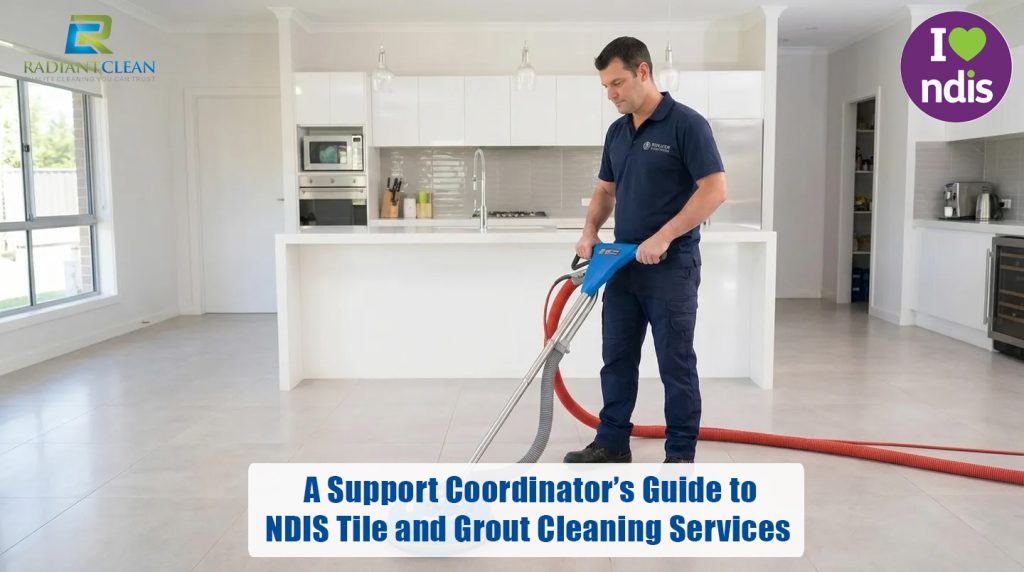
For many NDIS participants, maintaining a clean and hygienic home can be challenging, particularly for people living with mobility limitations, physical disabilities or complex support needs. NDIS tile and grout cleaning services can help maintain bathrooms, kitchens, floors and other tiled areas while supporting a safer and more comfortable home […]
Read More
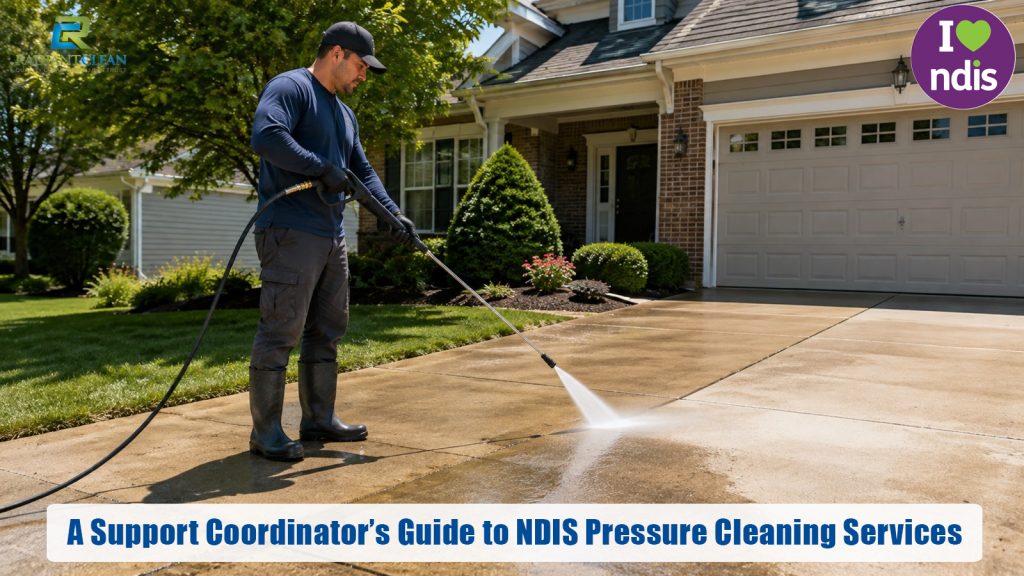
For NDIS participants, maintaining a clean and safe home environment can sometimes be challenging, particularly for people with mobility limitations, physical disabilities, or complex support needs. Pressure cleaning services can help maintain outdoor areas such as driveways, pathways, patios, entrances, and other hard surfaces. Support Coordinators can play an important […]
Read More
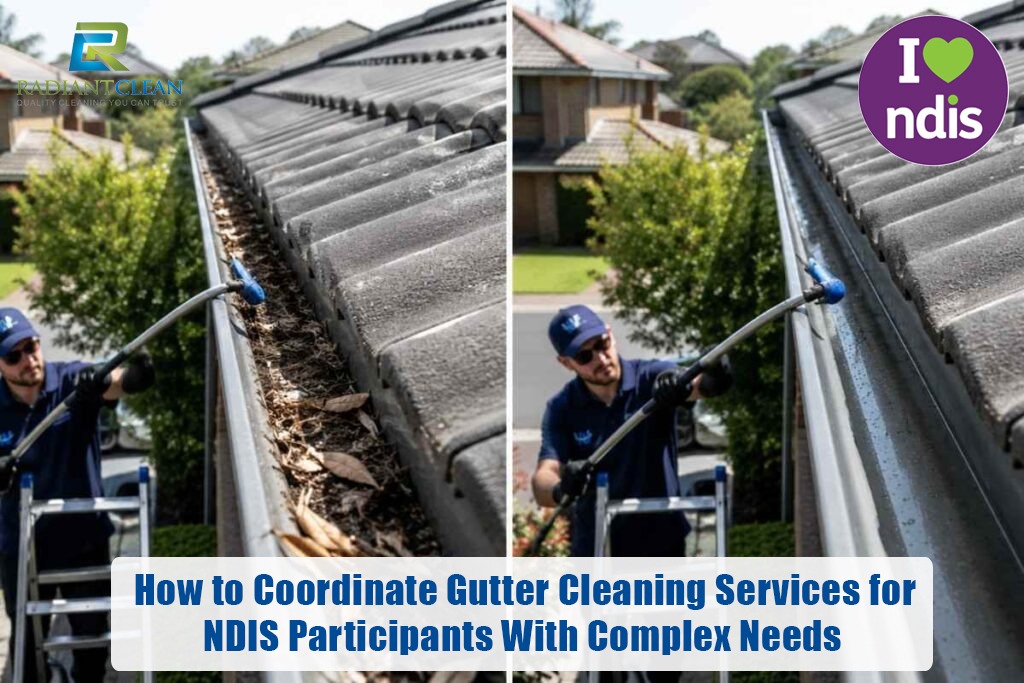
For NDIS participants with complex needs, arranging home maintenance services such as gutter cleaning may require careful planning and communication. Professional gutter cleaning can help maintain a safe and functional home while reducing the need for participants to handle potentially hazardous tasks themselves. Understand the Participant’s Needs Before arranging an […]
Read More
Moving out of a rental property can be stressful, especially when you need to prepare for a final inspection. A thorough end of lease cleaning helps ensure the property is left in good condition and may reduce cleaning-related issues with your rental bond. Here are some common mistakes tenants should […]
Read More
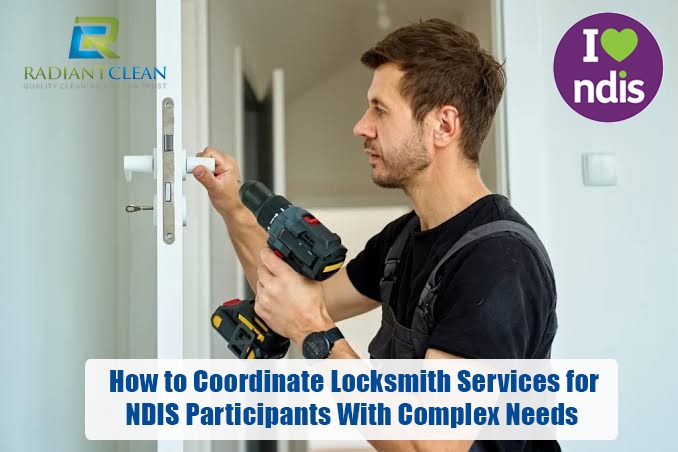
For NDIS participants with complex needs, a secure and accessible home environment can be essential for safety, independence and daily routines. NDIS locksmith services may help address issues such as broken locks, lost keys, damaged doors or difficulties accessing a property. For Support Coordinators, choosing and coordinating the right locksmith […]
Read More
For NDIS participants, maintaining a clean and comfortable home can sometimes be challenging. An NDIS one-off cleaning service can provide practical support when a participant needs professional cleaning for a specific situation. For Support Coordinators, choosing the right provider is important. Here are the key factors to consider when arranging […]
Read More
Finding a reliable NDIS steam cleaning provider is important for Support Coordinators helping participants maintain a clean, comfortable and healthy home environment. Professional steam cleaning can help remove dirt, stains, allergens and unpleasant odours from carpets, mattresses and upholstery. Here is a simple checklist to help Support Coordinators choose the […]
Read More
Spring is the perfect time to refresh the home and create a cleaner, more comfortable living environment. However, spring deep cleaning can involve physically demanding tasks that may be challenging for some people with disability. Professional NDIS cleaning services can provide practical household support tailored to individual needs. What Is […]
Read More