

COMMON PLUMBING ISSUES IN NDIS HOMES AND HOW SUPPORT COORDINATORS CAN PREVENT EMERGENCIES
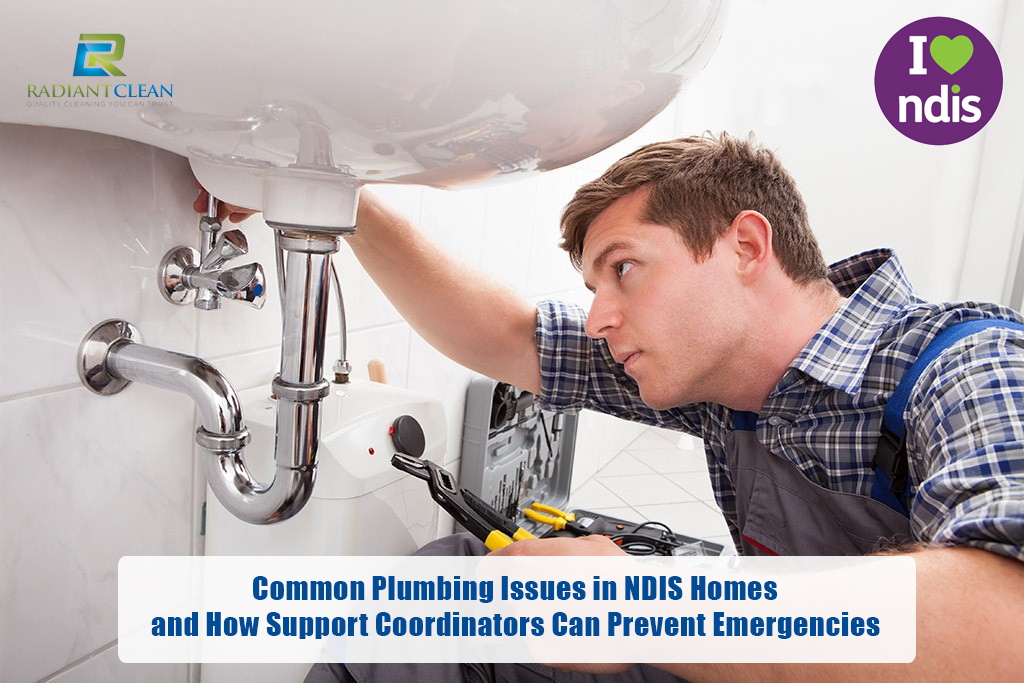
Plumbing issues in NDIS homes are more than an inconvenience — in fact, they can quickly become serious health, safety, and compliance risks. For this reason, Support Coordinators must understand common plumbing problems and, more importantly, take preventive action to protect participants and avoid emergency situations.
Below, we outline the most common plumbing issues in NDIS homes, along with practical ways Support Coordinators can help prevent them.
Why Plumbing Issues Matter in NDIS Homes
NDIS participants often rely on uninterrupted access to bathrooms, kitchens, and hot water in order to maintain daily living routines, hygiene, and dignity. When plumbing systems fail, however, the consequences can escalate quickly, leading to:
-
Increased infection and hygiene risks
-
Slips, falls, or scalding injuries
-
Disruption to daily supports
-
Potential reportable incidents under NDIS guidelines
Therefore, early identification and proactive maintenance are essential.
Blocked Drains and Toilets
Blocked drains and toilets are common in NDIS homes, particularly in SIL properties. Typically, causes include high usage, flushing inappropriate items, and ageing pipework.
As a result, these issues can lead to wastewater overflow, hygiene concerns, and increased slip hazards.
Prevention:
To reduce risk, Support Coordinators should arrange regular drain inspections for high-use properties. In addition, they should ensure support workers understand correct waste disposal practices. Most importantly, any reports of slow drainage or unpleasant odours should be addressed promptly.
Leaking Pipes and Taps
Leaks often occur due to worn fittings or outdated plumbing systems. While they may seem minor at first, even small leaks can cause significant issues over time.
Consequently, risks include mould growth, structural water damage, and a higher likelihood of slips and falls from wet surfaces.
Prevention:
During home visits, Support Coordinators should include basic plumbing checks as part of routine inspections. Furthermore, ensuring that even minor leaks are repaired quickly helps prevent escalation. At the same time, maintaining clear maintenance records supports both compliance and funding claims.
Hot Water System Failures
Hot water system failures are both common and high-risk, especially for participants with mobility limitations or sensory impairments.
In these situations, participants may lose access to bathing facilities or, alternatively, face scalding risks if temperature controls fail.
Prevention:
To minimise risk, hot water systems should be serviced regularly and fitted with Thermostatic Mixing Valves (TMVs). Accordingly, any hot water failure should always be treated as a high-priority issue.
Low Water Pressure or Supply Issues
Low water pressure may seem less urgent; however, it can significantly disrupt hygiene routines, meal preparation, and toileting.
Prevention:
If complaints occur repeatedly, Support Coordinators should investigate early and, where necessary, liaise with landlords or SDA providers before the issue escalates into a larger disruption.
Final Thoughts
Ultimately, most plumbing emergencies in NDIS homes are preventable. By responding early, scheduling regular preventive maintenance, and working with plumbers experienced in NDIS requirements, Support Coordinators play a critical role in maintaining participant safety, independence, and ongoing compliance.
If you need any assistance, please don’t hesitate to contact our Radiant Clean Experts:
📞 Call us: +61 3 9367 7198
🌐 Book online: https://radiantclean.com.au/services/plumbing/
▶️ Watch video: https://www.youtube.com/@radiantcleanndis

