

HOW SUPPORT COORDINATORS CAN IDENTIFY WHEN HANDYMAN SUPPORT IS NDIS-FUNDED
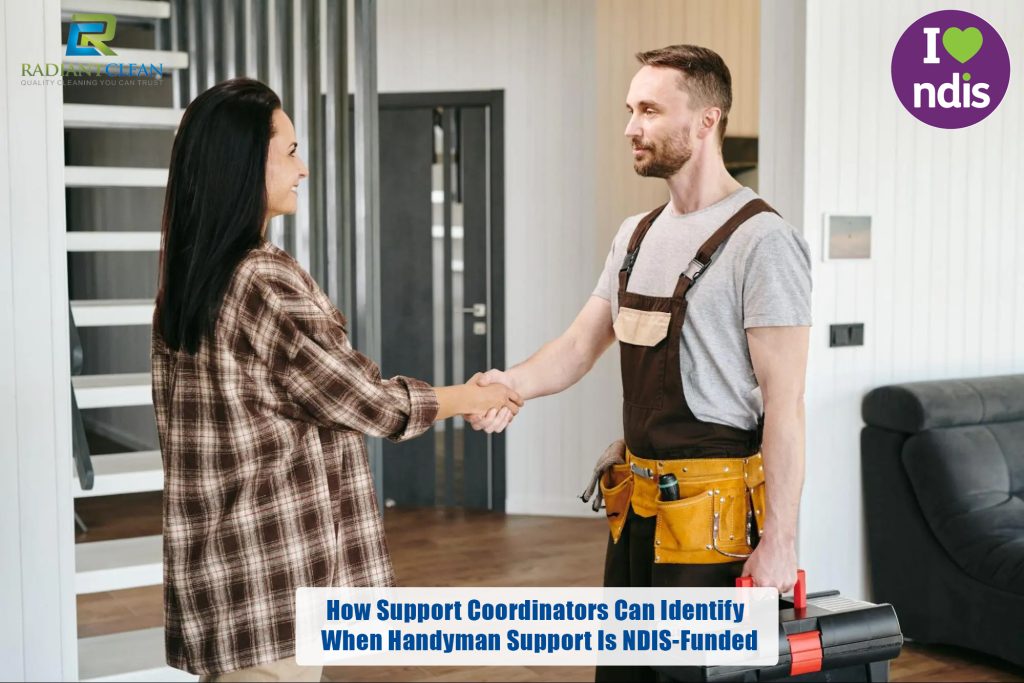
A safe and functional home environment is essential for NDIS participants to live independently and with dignity. However, small maintenance issues—such as loose handrails, broken doors, or unstable fixtures—can quickly become safety risks for participants with mobility, psychosocial, or sensory disabilities. For this reason, Support Coordinators play a key role in identifying when handyman services may be NDIS-funded and in turn arranging them correctly.
What Is an NDIS Handyman Service?
Generally speaking, NDIS handyman services involve minor home maintenance and safety-related tasks that directly support a participant’s disability-related needs. Importantly, these services do not include cosmetic upgrades or major renovations.
For example, common NDIS-funded handyman tasks may include:
-
Repairing doors, locks, or handles
-
Fixing loose handrails or grab rails
-
Securing shelves or cupboards
-
Minor plumbing or electrical repairs
-
Addressing trip hazards
-
Furniture assembly for safety purposes
Ultimately, the key factor is whether the task directly supports the participant’s safety, independence, or daily functioning.
Applying the “Reasonable and Necessary” Criteria
When determining eligibility, Support Coordinators should apply the reasonable and necessary test. Specifically, consider the following questions:
-
Does the issue pose a safety risk related to the participant’s disability?
-
Is the participant unable to manage the repair due to their disability?
-
Will the repair support independent living or reduce ongoing support needs?
-
Is it aligned with the participant’s NDIS goals?
If so, the handyman service is more likely to be funded.
Funding Categories to Check
In most cases, handyman services are funded under Core Supports – Assistance with Daily Living, provided they are clearly disability-related. However, they are not funded for general household maintenance that would typically be the responsibility of any tenant or homeowner, unless there is a clear link to disability and safety.
Additionally, it is important to distinguish handyman services from home modifications. While minor repairs usually fall under handyman supports, more complex structural changes require formal home modification approvals and assessments.
Identifying Risks and Gathering Evidence
To ensure appropriate funding, Support Coordinators should actively watch for warning signs such as falls, anxiety caused by unsafe environments, or concerns raised by support workers and family members. Equally important, proper documentation should be gathered, including:
-
A clear description of the issue
-
An explanation of how it affects the participant’s safety or independence
-
Direct links to disability-related needs and NDIS goals
-
Quotes from qualified providers
Conclusion
In summary, identifying when handyman support is NDIS-funded comes down to assessing risk, function, and disability impact. By consistently applying the reasonable and necessary criteria and by clearly documenting participant needs, Support Coordinators can confidently arrange handyman services that are compliant, cost-effective, and genuinely beneficial for NDIS participants.
If you need any assistance, please don’t hesitate to contact our Radiant Clean Experts:
📞 Call us: +61 3 9367 7198
🌐 Book online: https://radiantclean.com.au/services/handyman-work/
▶️ Watch video: https://www.youtube.com/@radiantcleanndis

