

NDIS BIOHAZARD CLEANING: UNDERSTANDING FUNDING, COORDINATION AND SERVICE OPTIONS
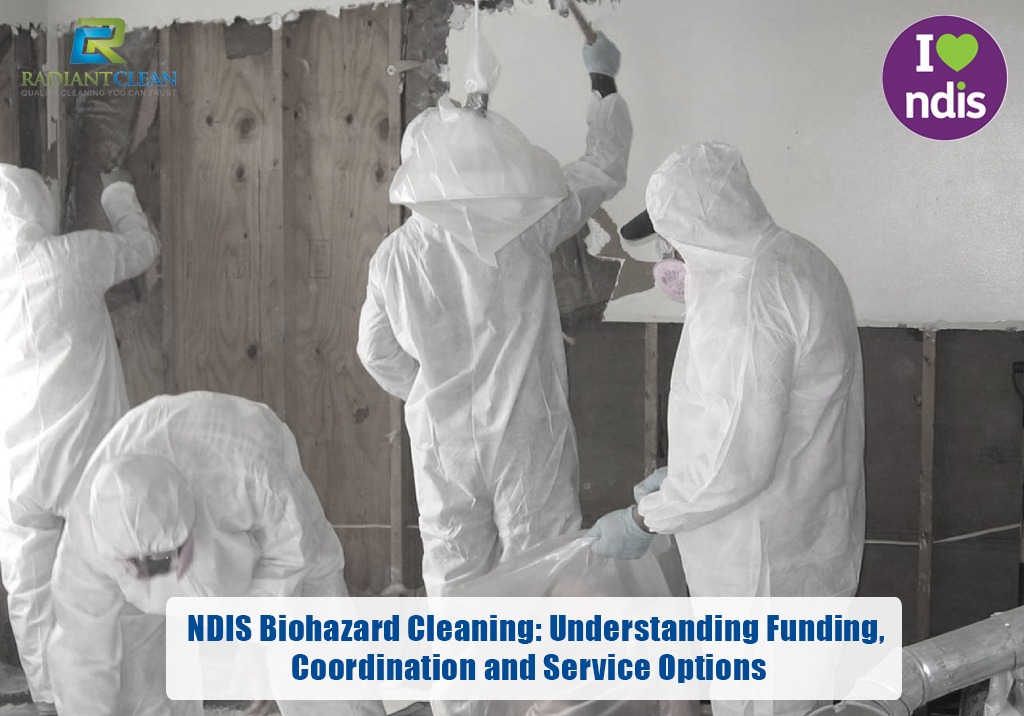
Biohazard cleaning can be essential for some NDIS participants who need support to maintain a safe, hygienic and functional home. Unlike regular domestic cleaning, NDIS biohazard cleaning involves specialised procedures for dealing with blood, bodily fluids, infectious materials and other biological contamination.
What Is NDIS Biohazard Cleaning?
Professional biohazard cleaning involves the safe removal, cleaning and disinfection of contaminated areas. Trained cleaners use appropriate PPE, specialist equipment and safe waste-handling procedures to reduce health and safety risks.
For NDIS participants, specialist cleaning may be relevant when contamination is connected to their disability-related support needs.
Can NDIS Funding Cover Biohazard Cleaning?
Whether biohazard cleaning can be funded depends on the participant’s individual circumstances, plan and funding arrangements. Participants should consider whether the service is related to their disability needs and meets applicable NDIS funding requirements.
Before booking a service, participants and their support teams should review their available funding and confirm the appropriate arrangements.
Self-Managed Participants
Self-managed NDIS participants generally have more flexibility when choosing service providers. They can look for an experienced biohazard cleaning company, compare quotes and arrange services that suit their needs.
It is important to understand the service scope, pricing and invoicing requirements before work begins.
Plan-Managed Participants
For plan-managed participants, a Plan Manager can assist with managing invoices and payments for eligible supports. The participant or Support Coordinator can help identify a suitable provider and coordinate the service.
Clear communication between the participant, cleaning provider, Support Coordinator and Plan Manager can help prevent delays.
Agency-Managed Participants
Agency-managed participants may have specific requirements when accessing services. Depending on their circumstances and the type of support required, they may need to work with providers that meet relevant NDIS requirements.
A Support Coordinator can help identify suitable options and coordinate communication between the participant and service providers.
How Support Coordinators Can Help
Support Coordinators may assist with:
- Identifying the participant’s cleaning requirements
- Finding suitable biohazard cleaning providers
- Coordinating appointments
- Communicating with Plan Managers and providers
- Confirming service details and documentation
- Following up after the cleaning service
Choosing an NDIS Biohazard Cleaning Provider
Look for a provider with biohazard cleaning experience, appropriate PPE, safe waste-handling procedures, transparent pricing and NDIS experience.
Professional cleaning can help restore contaminated areas to a safer and more hygienic condition.
Conclusion
Understanding NDIS biohazard cleaning funding and service options can make specialist cleaning easier to arrange. Whether participants are self-managed, plan-managed or agency-managed, working with experienced providers and Support Coordinators can help ensure the service is properly coordinated and suited to their individual needs.
If you need any assistance, please don’t hesitate to contact our Radiant Clean Experts:
📞 Call us: +61 3 9367 7198
🌐 Book online: https://radiantclean.com.au/services/bio-hazard-clean/
▶️ Watch video: https://www.youtube.com/@radiantcleanndis

