

NDIS ELECTRICAL REPAIRS: WORKING WITH PARTICIPANTS, PROVIDERS AND ELECTRICIANS
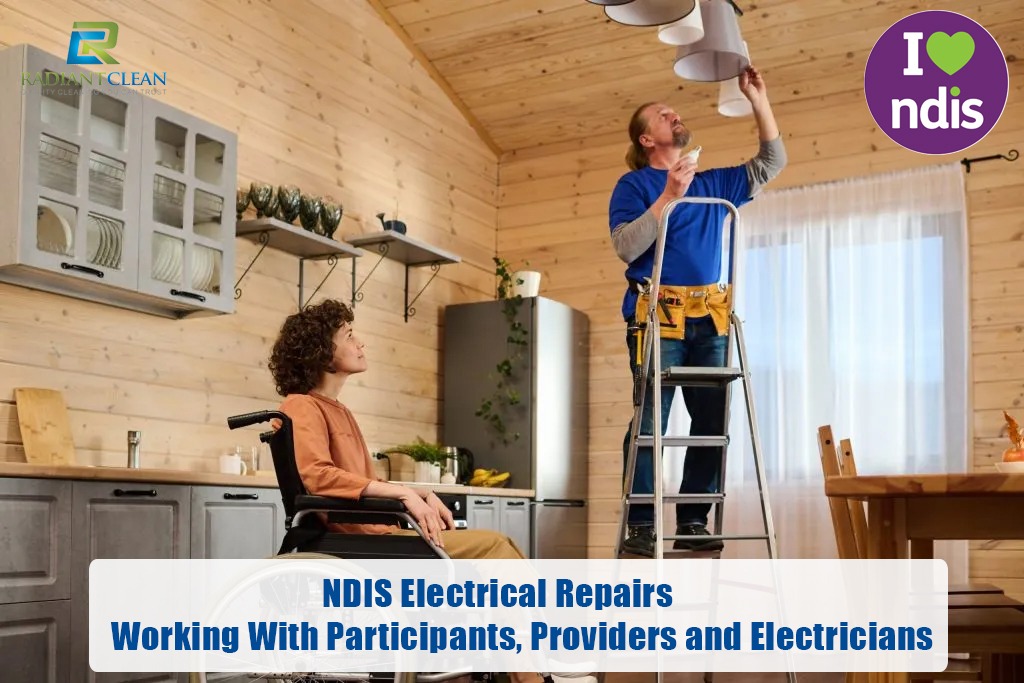
Electrical issues can affect the safety, comfort and independence of NDIS participants at home. From faulty power points and lighting problems to electrical faults, getting the right professional support is important. Understanding how NDIS electrical repairs are arranged can help participants, Support Coordinators and providers manage electrical work more effectively.
What Are NDIS Electrical Repairs?
NDIS electrical repairs may involve residential electrical maintenance or repairs that support an eligible participant’s needs. Common services can include:
- Repairing faulty switches and power points
- Replacing or repairing lights
- Electrical fault finding
- Ceiling fan repairs or installation
- Smoke alarm-related electrical services
- Electrical safety checks
- Repairs connected with accessibility equipment
Electrical work must be completed by an appropriately licensed electrician where required under Australian regulations.
The Role of NDIS Participants
Participants should communicate the electrical problem and explain how it affects their daily activities. They can also discuss their preferred appointment times, access requirements and any communication or support needs.
Clear information helps electricians understand the issue and provide a suitable solution.
How Support Coordinators Can Help
Support Coordinators can assist with organising communication between participants, providers and electricians. Their role may include:
- Understanding the participant’s requirements
- Helping identify an appropriate provider
- Coordinating appointments
- Communicating relevant participant needs
- Following up after the repair
Support Coordinators should also check whether the requested service is appropriate under the participant’s NDIS plan and funding arrangements.
Working With Electrical Providers
A professional electrical provider should explain the proposed work, expected costs and timeframe before commencing. For more complex issues, an electrician may need to inspect the property before providing a final quote.
Choosing an experienced and appropriately licensed electrician is essential for safety and compliance.
Why Electrical Safety Matters
Faulty wiring, switches or power points can create risks such as electric shock, overheating and fire. These risks can be particularly important for people with disability who may have specific mobility, sensory or communication needs.
Participants should avoid attempting regulated electrical repairs themselves and arrange qualified professional assistance instead.
Final Thoughts
Effective NDIS electrical repairs require cooperation between participants, Support Coordinators, providers and licensed electricians. Clear communication and proper planning can help ensure electrical issues are addressed safely while supporting participant comfort, accessibility and independence.
Before arranging a service, always check the participant’s NDIS funding and relevant service requirements.
If you need any assistance, please don’t hesitate to contact our Radiant Clean Experts:
📞 Call us: +61 3 9367 7198
🌐 Book online: https://radiantclean.com.au/services/electrician/
▶️ Watch video: https://www.youtube.com/@radiantcleanndis

