

REDUCING ALLERGIES AND IMPROVING INDOOR AIR QUALITY WITH UPHOLSTERY CLEANING FOR NDIS PARTICIPANTS
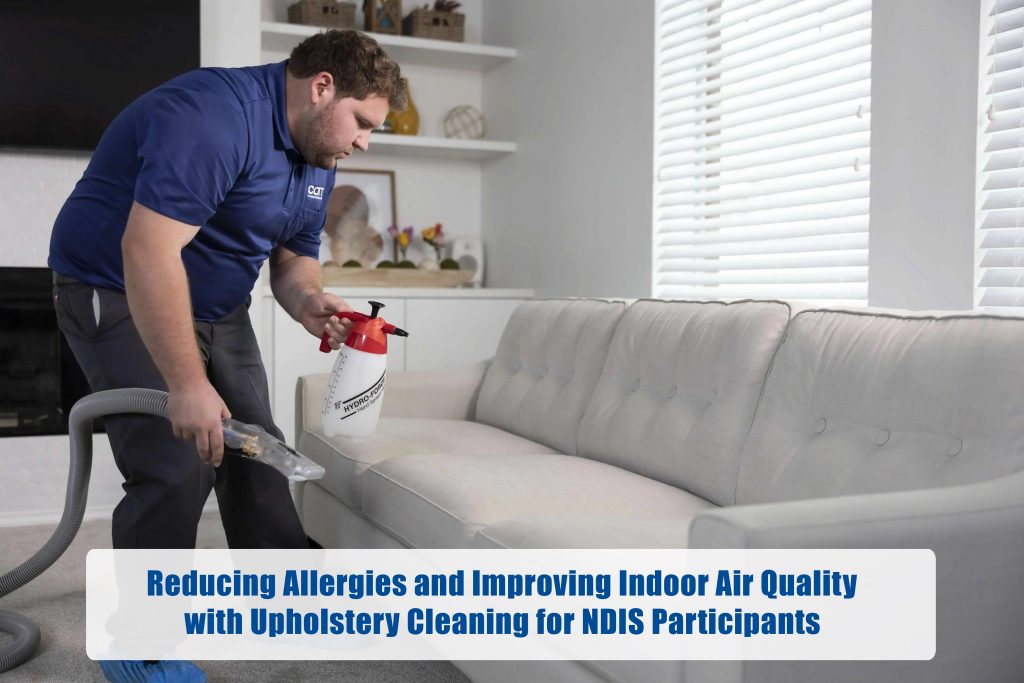
For NDIS participants, creating a safe, healthy, and comfortable living environment is essential to maintaining independence and quality of life. One area that is often overlooked is upholstery cleaning. Sofas, chairs, and other fabric furniture may look clean on the surface, but they can harbour dust, allergens, and bacteria that affect indoor air quality. Professional upholstery cleaning can make a big difference, especially for people with health concerns, respiratory issues, or sensitivities.
Why Upholstery Cleaning Matters for NDIS Participants
Upholstered furniture is used daily and naturally collects dirt, sweat, food particles, pet hair, and dust mites. Over time, these hidden pollutants can trigger allergies, asthma, or other respiratory issues. For NDIS participants who may spend more time at home, ensuring that furniture is free from allergens is crucial for both comfort and wellbeing.
Common allergens trapped in upholstery include:
- Dust mites and their droppings
- Pet dander
- Pollen brought in from outside
- Mould spores in humid environments
Regular professional cleaning helps to reduce these risks and supports a healthier living space.
Improving Indoor Air Quality with Upholstery Cleaning
Clean upholstery doesn’t just look fresh — it plays a key role in improving indoor air quality. Every time you sit down or move on the furniture, particles trapped in the fabric can become airborne, circulating through the room. This can make breathing more difficult, especially for those with sensitivities.
Professional upholstery cleaning removes these particles at the source, leaving the air cleaner and reducing the number of irritants circulating in your home. Combined with regular carpet cleaning, this creates a healthier environment for NDIS participants, carers, and family members.
Can Upholstery Cleaning Be Funded by the NDIS?
Depending on your NDIS plan, upholstery cleaning may be covered if it falls under home maintenance and cleaning services that contribute to your health, safety, and independence. It’s important to speak with your plan manager or support coordinator to confirm eligibility. Many NDIS-approved cleaning providers offer upholstery cleaning as part of their services.
Benefits of Upholstery Cleaning for NDIS Participants
- Healthier living environment – Reduces allergens and bacteria.
- Better air quality – Fewer airborne irritants improve breathing comfort.
- Extended furniture life – Professional cleaning prevents fabric damage.
- Improved comfort – Fresh, clean upholstery makes your home more inviting.
- NDIS support – Many cleaning companies can deliver services under your NDIS plan.
Choosing the Right Upholstery Cleaning Service
When selecting a provider, look for:
- Experience with NDIS-funded services
- Use of eco-friendly, non-toxic cleaning products
- Trained professionals with specialised upholstery cleaning equipment
- Flexible scheduling to meet participant needs
Final Thoughts
For NDIS participants, upholstery cleaning is more than just a cosmetic service — it’s a step toward a healthier, safer, and more comfortable home. By reducing allergens and improving indoor air quality, professional upholstery cleaning supports overall wellbeing and independence. If you need any help, please don’t hesitate to contact Our Radiant Clean Experts
📞 Call us: +61 3 9367 7198
🌐 Book online: https://radiantclean.com.au/services/upholstery-cleaning/
 Watch video: https://www.youtube.com/@radiantcleanndis

