

THE ROLE OF SUPPORT COORDINATORS IN ORGANISING NDIS-APPROVED RUBBISH REMOVAL
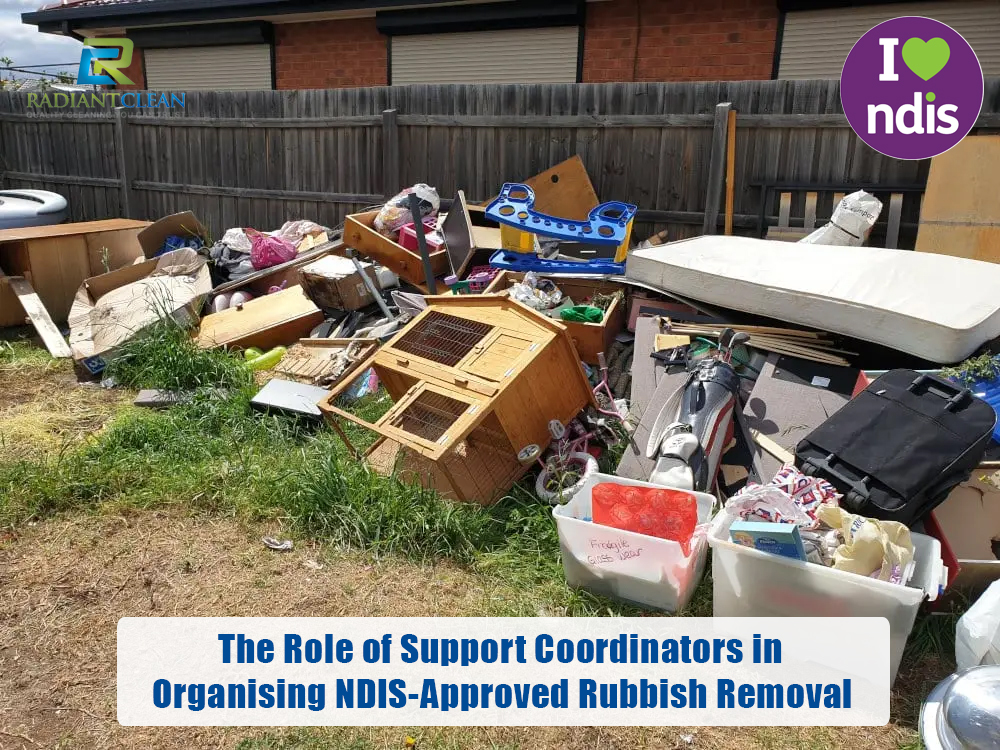
Support Coordinators play a critical role in helping NDIS participants live safely, independently, and with dignity. While supports such as personal care and therapy are often prioritised, rubbish removal is also essential for health, safety, and housing stability.
For many NDIS participants, particularly those with physical, cognitive, or psychosocial disabilities, managing household waste can be challenging. When rubbish is left unmanaged, it can cause hygiene issues, pest infestations, fire hazards, and unsafe living conditions. To reduce these risks, Support Coordinators organise NDIS-approved rubbish removal services that meet participant needs and NDIS requirements.
Why Rubbish Removal Matters
In practice, professional rubbish removal helps participants by:
-
Maintaining safe and hygienic living environments
-
Reducing the risk of injury, illness, and property damage
-
Supporting independent living goals
-
Meeting housing and duty of care obligations
Importantly, Support Coordinators often identify waste issues early. This allows timely intervention before problems escalate.
Identifying Needs and Linking Funding
To begin with, Support Coordinators assess risks through regular check-ins, reports from others, and direct observations. When rubbish removal is required, funding usually comes from Core Supports – Assistance with Daily Living. The support must be reasonable, necessary, and disability-related.
In addition, Support Coordinators confirm funding eligibility and document the need for services. Where required, they also assist with plan reviews for ongoing waste management.
Selecting and Coordinating Providers
Equally important, choosing suitable providers is essential. Support Coordinators ensure services are NDIS-experienced, safe, and delivered respectfully. In complex cases, such as hoarding or mental health challenges, they may arrange staged clean-ups. They often work alongside allied health professionals to minimise distress.
Furthermore, rubbish removal is coordinated with other supports, including cleaning services and housing providers. This approach focuses on long-term outcomes rather than short-term solutions.
Supporting Long-Term Independence
Over time, regular rubbish removal supports stable housing and reduces health risks. It also improves overall quality of life. For this reason, Support Coordinators include rubbish removal in broader support strategies.
Conclusion
In summary, Support Coordinators play a central role in organising NDIS-approved rubbish removal. They balance participant needs, funding rules, and service quality. By acting early and coordinating the right supports, they help create safer and healthier living environments.
If you need any assistance, please don’t hesitate to contact our Radiant Clean Experts:
📞 Call us: +61 3 9367 7198
🌐 Book online: https://radiantclean.com.au/services/rubbish-removal/
▶️ Watch video: https://www.youtube.com/@radiantcleanndis

