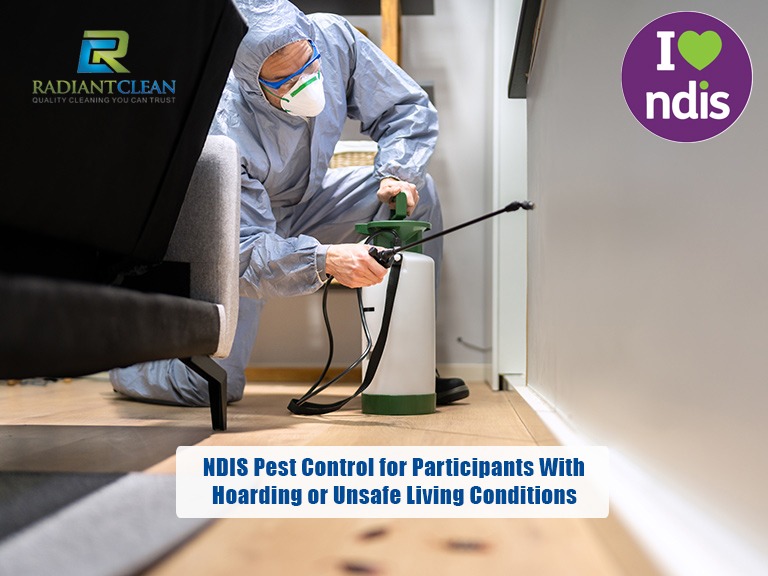
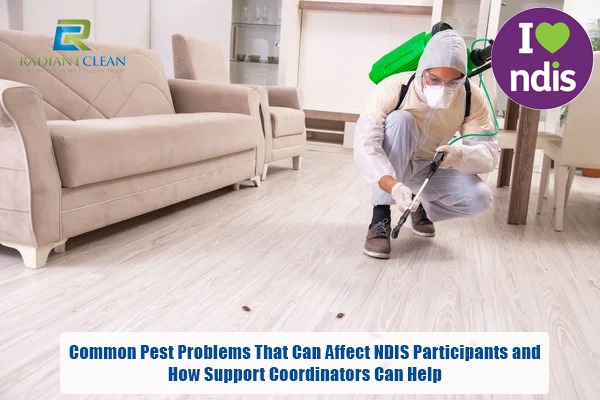
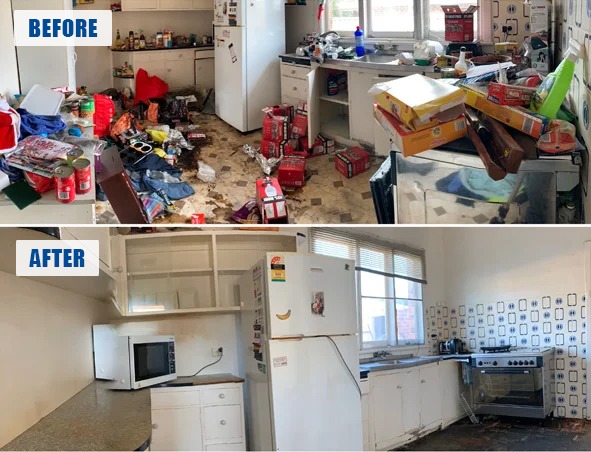
Hoarding, excessive clutter, and unsafe living conditions can create significant hygiene and safety challenges for NDIS participants. When rubbish, food waste, or accumulated belongings attract pests, professional NDIS pest control services may help create a safer and more suitable home environment. How Hoarding Can Cause Pest Problems Hoarded items and […]
Read More
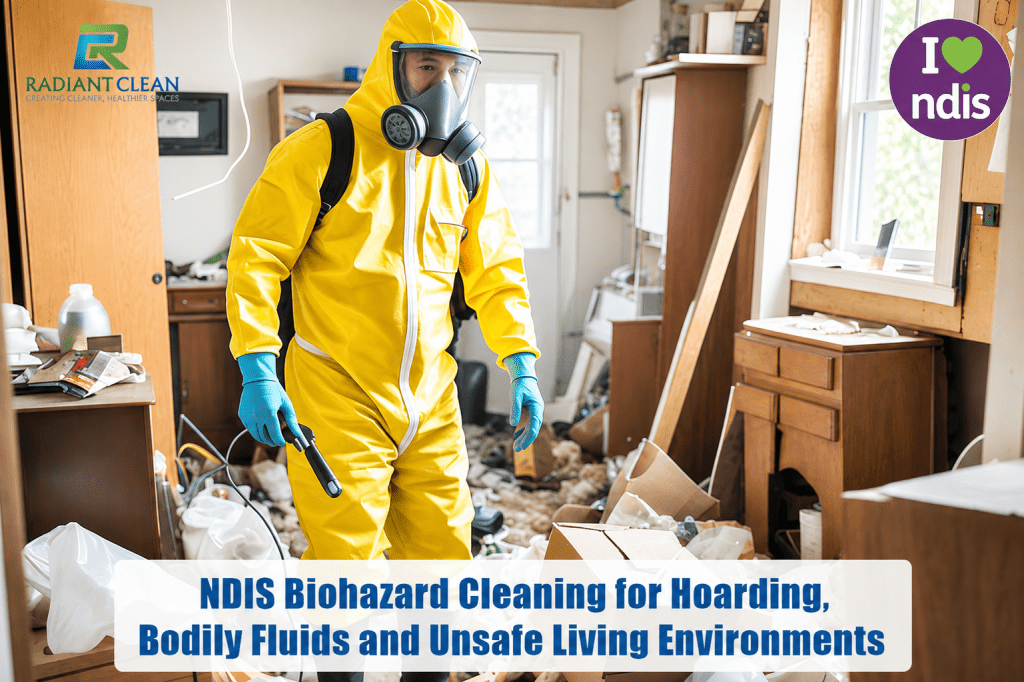
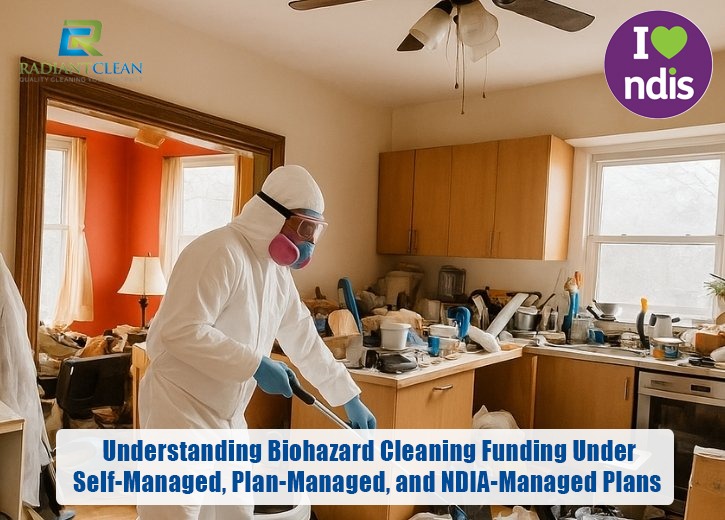
For some NDIS participants, disability-related circumstances can make it difficult to maintain a clean, safe, and hygienic home. Hoarding, bodily fluid contamination, and unsafe living environments may create risks that require more than standard household cleaning. NDIS biohazard cleaning can help address these challenging situations professionally and respectfully. What Is […]
Read More
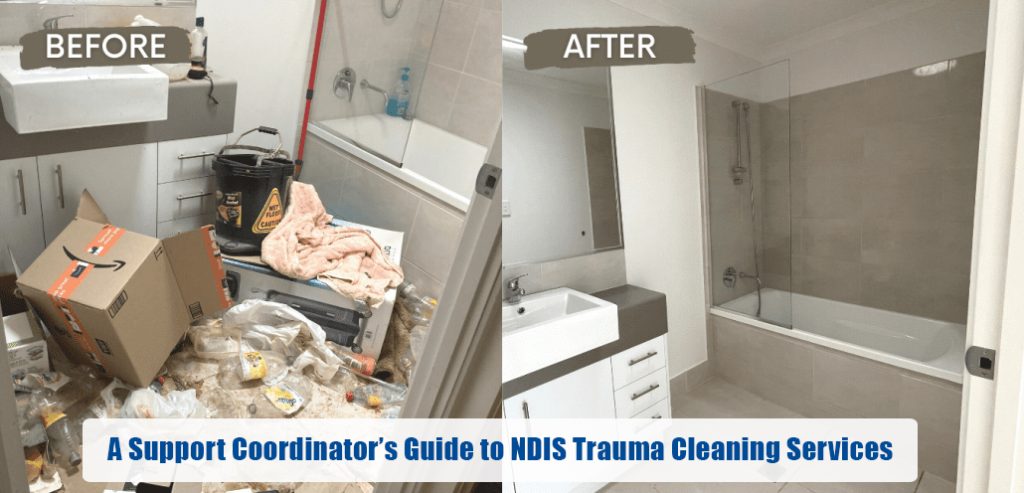
When an NDIS participant experiences a traumatic event, cleaning and restoring their home can be overwhelming. NDIS trauma cleaning services provide specialist cleaning for situations involving blood, bodily fluids, accidents, unattended deaths, or other potentially hazardous contamination. For Support Coordinators, knowing how to arrange the right cleaning support can help […]
Read More
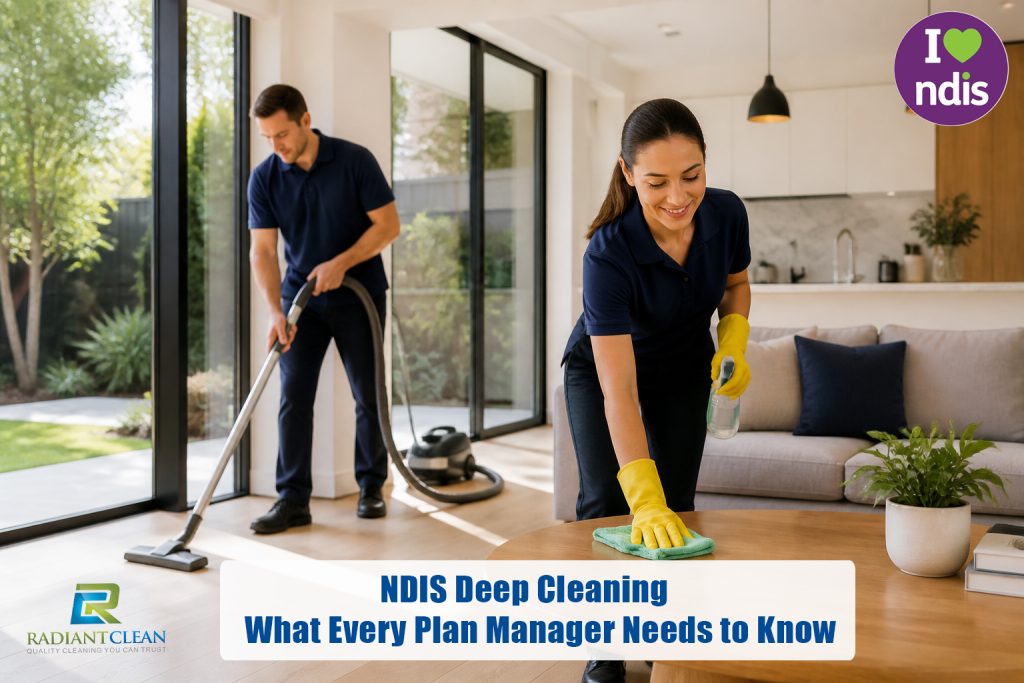
Managing NDIS funding means ensuring participants receive supports that are both effective and compliant with NDIS guidelines. While regular household cleaning is common, however, NDIS deep cleaning may be appropriate when a participant’s disability creates additional hygiene or safety challenges. As a result, understanding when deep cleaning may be relevant […]
Read More
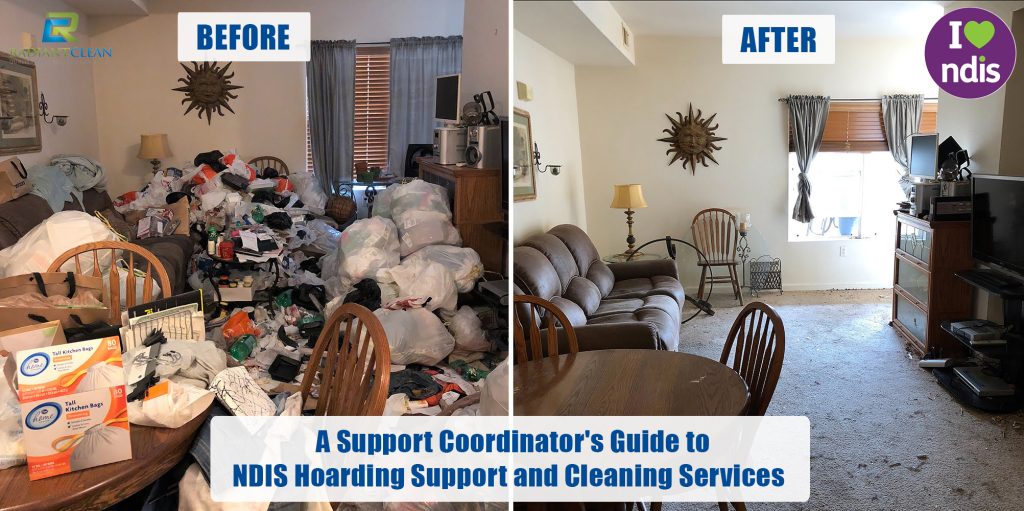
Hoarding can significantly impact the safety, health, and independence of NDIS participants. Excessive clutter may create fall hazards, block essential living spaces, increase fire risks, and make it difficult for support workers to provide care. As a Support Coordinator, connecting participants with professional NDIS hoarding support and cleaning services can […]
Read More
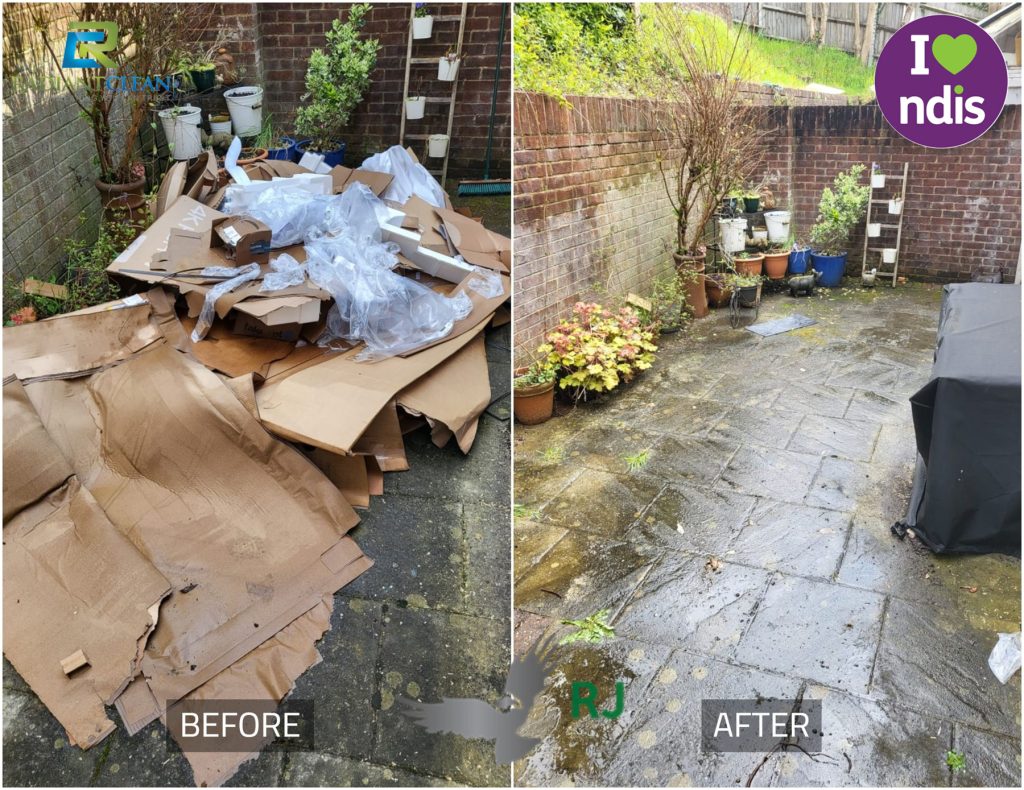
A safe and clutter-free home is essential for many NDIS participants. In some cases, NDIS rubbish removal may help remove waste that creates health, safety, or accessibility risks. For Plan-Managed participants, Plan Managers play an important role in processing payments and ensuring services align with NDIS funding requirements. Can Plan-Managed […]
Read More
Pest infestations can do more than cause inconvenience. For NDIS participants, pests such as cockroaches, rodents, bed bugs, and ants may create health and safety risks while reducing comfort and independence at home. Although NDIS pest control is not automatically funded, it may be considered when the service is directly […]
Read More
Biohazard cleaning may be necessary after trauma, blood contamination, hoarding, infectious disease exposure, or other hazardous incidents. In these situations, professional cleaning can restore a safe and hygienic environment. For NDIS participants, a common question is whether these services can be funded. Ultimately, the answer depends on individual circumstances and […]
Read More
Maintaining a safe and hygienic home is essential for many NDIS participants, especially after a traumatic incident involving biohazards or unsafe living conditions. While NDIS trauma cleaning is not a dedicated funding category, it may be covered if it is directly related to a participant’s disability and meets the reasonable […]
Read More
A clean, hygienic home is essential for the health, safety, and wellbeing of NDIS participants. While regular cleaning helps maintain a home, deep cleaning services may be needed when intensive cleaning is required due to disability-related barriers. Support Coordinators play an important role in identifying these needs and arranging appropriate […]
Read More