Moving out of a rental property can be stressful, especially when your bond refund depends on passing the final inspection. In fact, one of the most common reasons tenants lose part of their bond is inadequate cleaning. For this reason, professional end of lease cleaning is one of the smartest […]
Read More
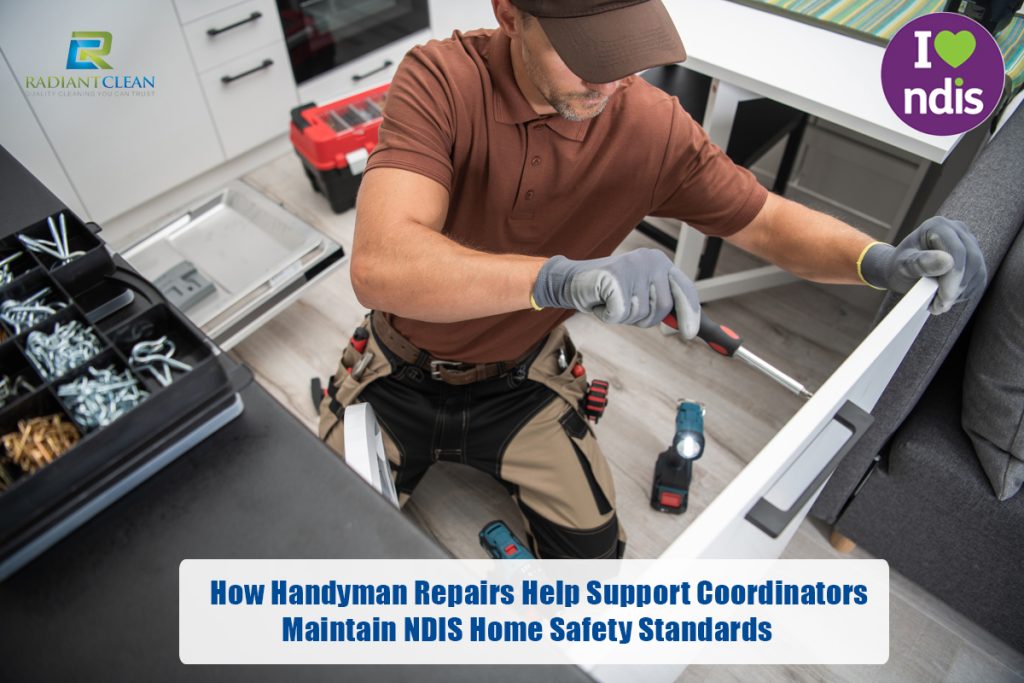
Maintaining safe living environments is a core responsibility for Support Coordinators under the NDIS. Even minor maintenance issues can create serious risks for participants if they are left unresolved. Professional handyman repairs play a vital role in helping Support Coordinators maintain NDIS home safety standards, reduce hazards, and meet duty-of-care […]
Read More
When an NDIS participant passes away, Support Coordinators must manage not only emotional support but also, importantly, the safety and compliance of the participant’s property. During this time, one critical step in the process is arranging professional deceased estate cleaning to ensure that the environment is safe, hygienic, and suitable […]
Read More
Pest infestations in NDIS homes are more than an inconvenience — they can create serious health, safety, and compliance risks for participants. For Support Coordinators, recognising early signs of pest activity is essential to maintaining safe living environments and meeting duty of care obligations under the NDIS. Below are the […]
Read More
Maintaining a safe and hygienic living environment is essential to supporting the health, wellbeing, and independence of NDIS participants. While deep cleaning is often arranged after incidents or inspections, regular cleaning plays a critical preventative role in keeping NDIS homes safe on a day-to-day basis. For Support Coordinators, regular cleaning […]
Read More
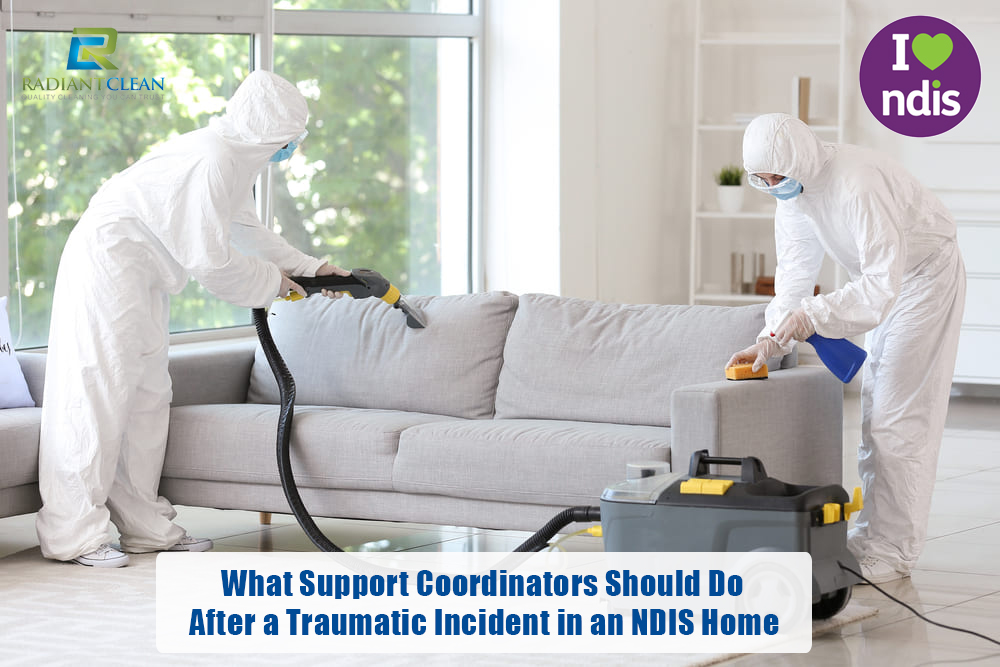
Traumatic incidents in NDIS homes—such as serious accidents, medical emergencies, or other distressing events—require a fast, structured, and compliant response. Support Coordinators must prioritise participant safety while restoring the environment to a condition that is safe to re-enter. Below are the key steps Support Coordinators should follow after a traumatic […]
Read More
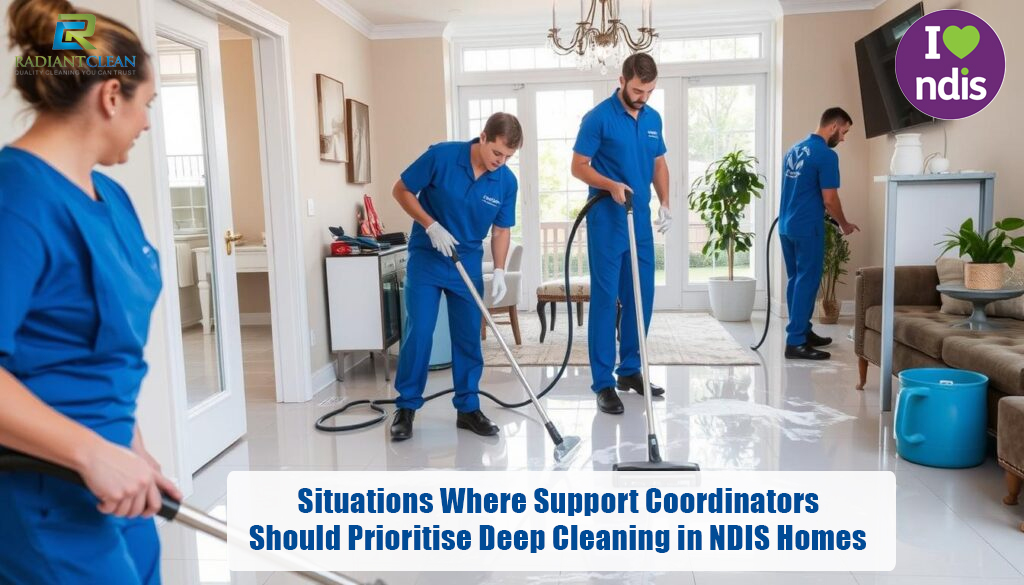
Maintaining a clean and safe living environment is essential under the NDIS. While regular cleaning supports day-to-day hygiene, there are situations where NDIS deep cleaning is necessary to protect participant health, dignity, and compliance. For Support Coordinators, recognising these situations early can help prevent health risks and service disruptions. Below […]
Read More
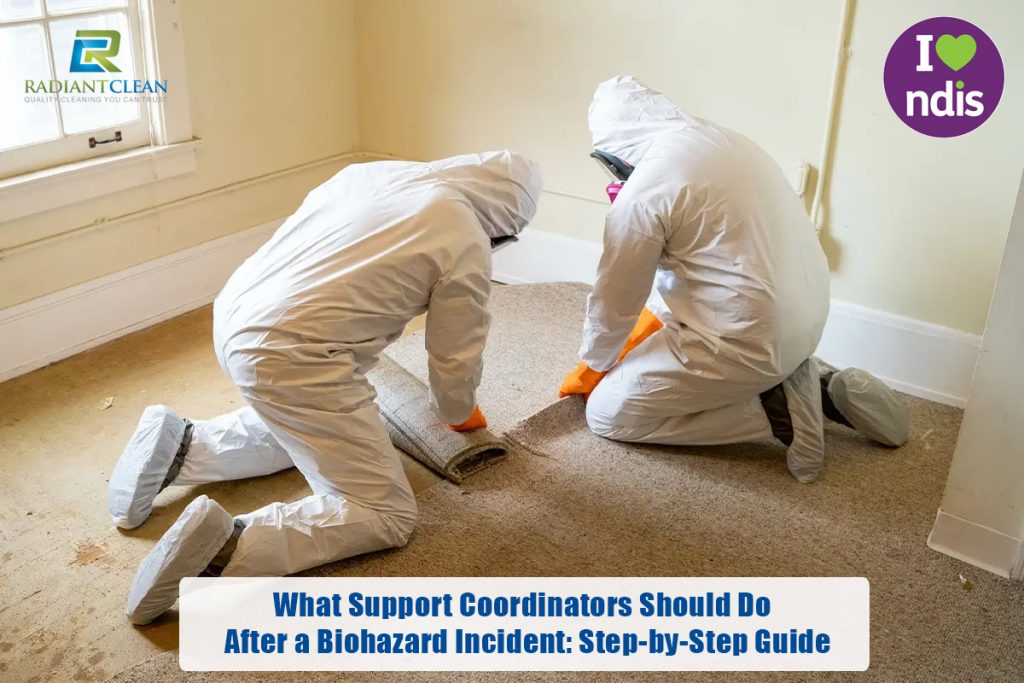
Biohazard incidents in NDIS homes—such as exposure to blood, bodily fluids, hoarding contamination, trauma scenes, or deceased estates—require immediate and professional action. For Support Coordinators, responding correctly is essential to protect participant safety, meet duty of care obligations, and remain compliant with NDIS practice standards. This step-by-step guide outlines what […]
Read More
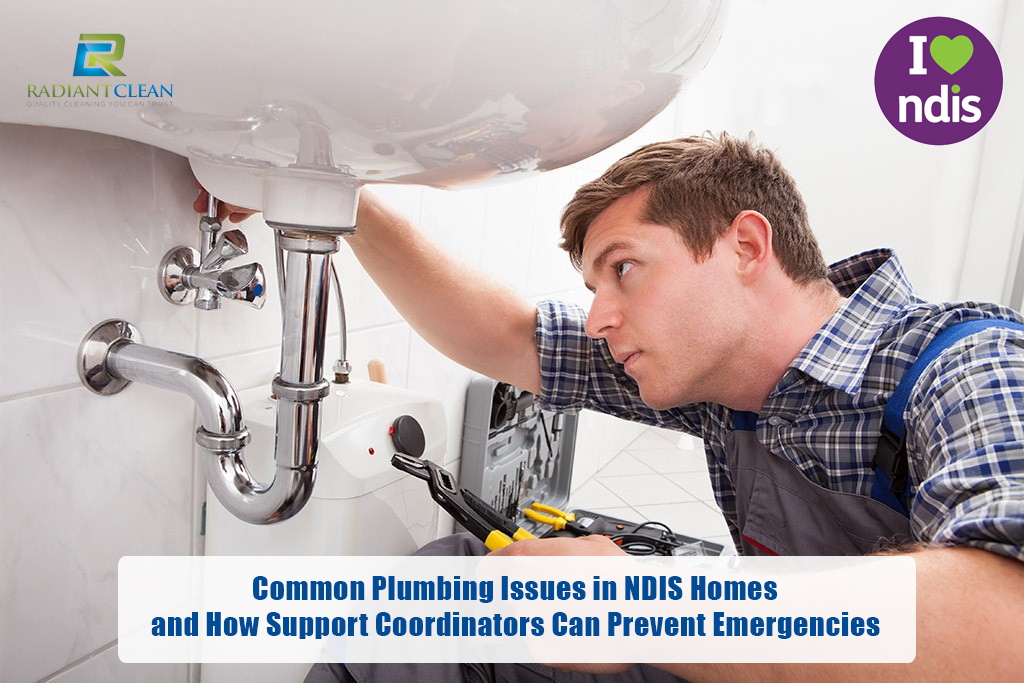
Plumbing issues in NDIS homes are more than an inconvenience — in fact, they can quickly become serious health, safety, and compliance risks. For this reason, Support Coordinators must understand common plumbing problems and, more importantly, take preventive action to protect participants and avoid emergency situations. Below, we outline the […]
Read More
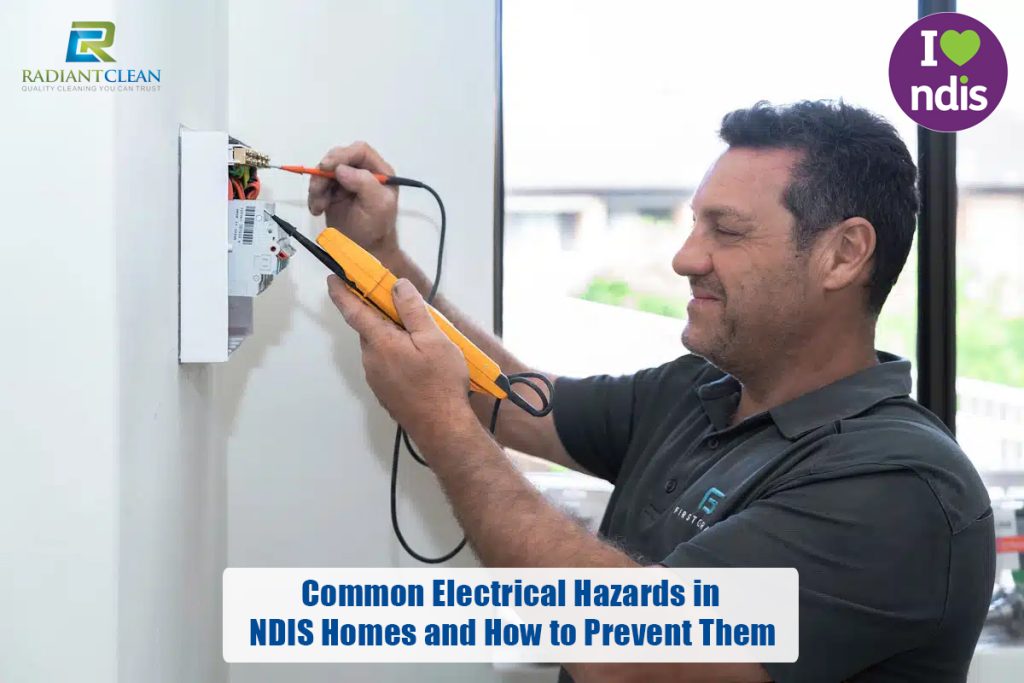
Electrical safety is a critical consideration in NDIS housing. Many participants spend most of their time at home and rely heavily on electrical systems for daily living, mobility aids, or medical equipment. Electrical hazards can pose serious risks, particularly for participants with physical, cognitive, or sensory impairments. Understanding these risks […]
Read More