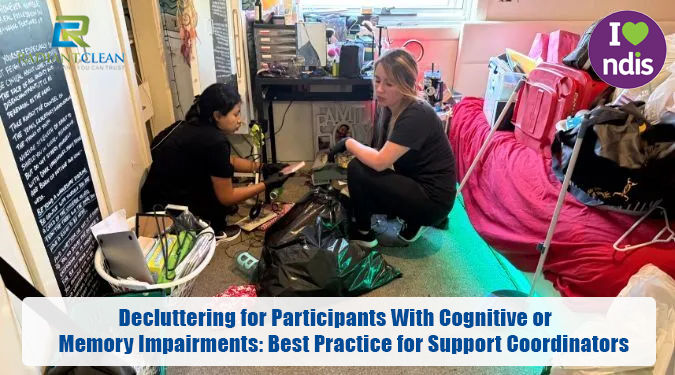
A safe and organised home environment is essential for NDIS participants living with cognitive or memory impairments, including intellectual disability, acquired brain injury, dementia, or neurodevelopmental conditions. These impairments can affect decision-making, organisation, and recall, making it difficult for participants to manage belongings and maintain a safe living space. For […]
Read More
A safe and well-maintained home environment is essential for NDIS participants to live independently and avoid preventable risks. While gutter cleaning is often seen as routine home maintenance, blocked gutters can create serious safety and health risks—especially for participants with disabilities. For Support Coordinators, understanding these risks is key to […]
Read More
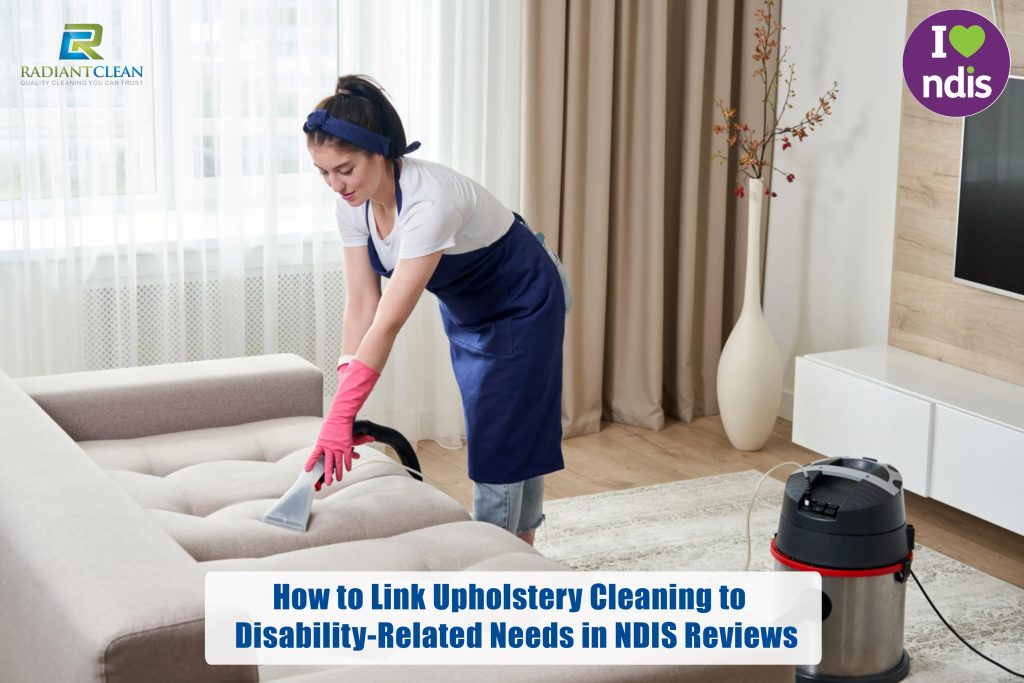
During NDIS plan reviews, Support Coordinators often need to justify why certain household supports are reasonable and necessary. Upholstery cleaning is sometimes misunderstood as general cleaning, but when it directly relates to a participant’s disability-related needs, it can be an appropriate NDIS-funded support. Upholstery cleaning includes professional cleaning of sofas, […]
Read More
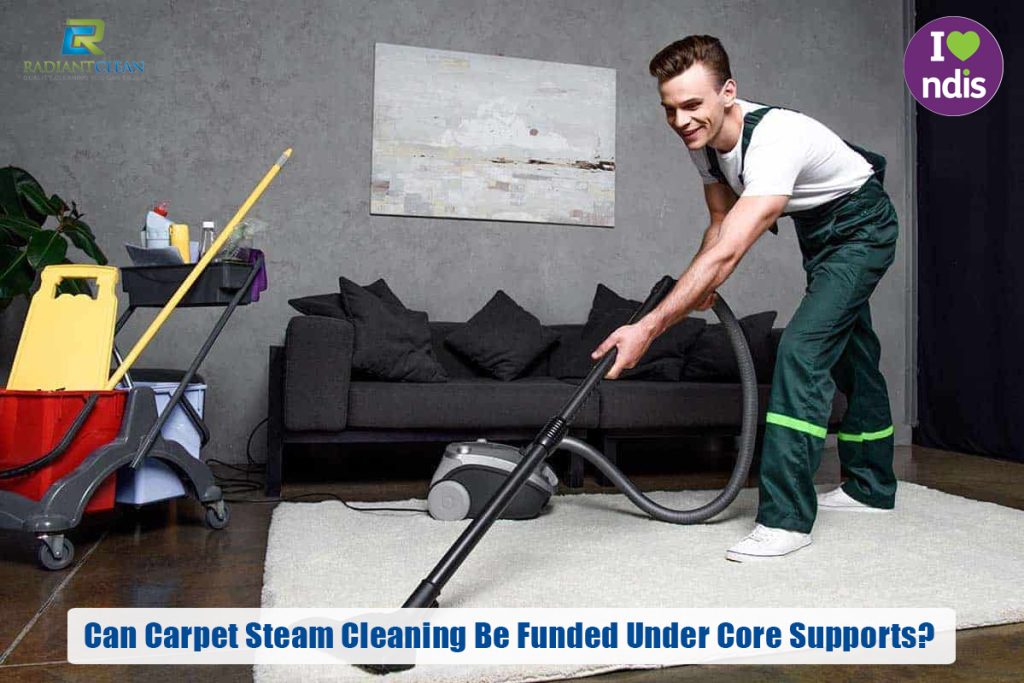
A clean and safe home environment is essential for NDIS participants to maintain health, independence, and overall wellbeing. In particular, for some participants—especially those with mobility limitations, respiratory conditions, sensory sensitivities, or compromised immunity—carpet hygiene can become a disability-related issue rather than a general household task. As a result, many […]
Read More
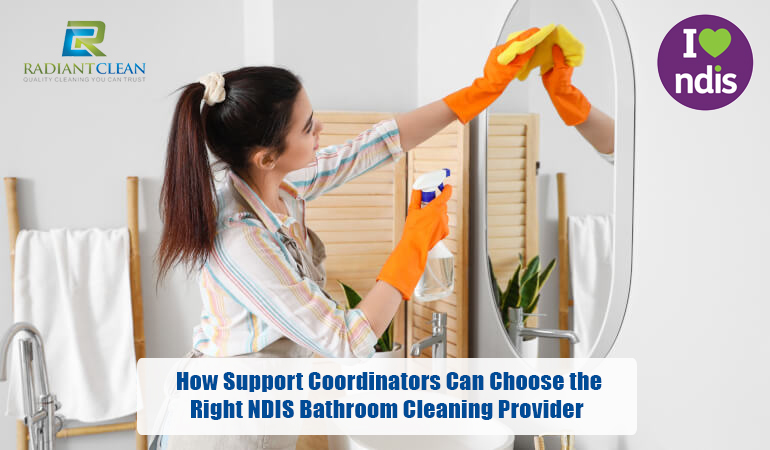
A clean and hygienic bathroom is essential for NDIS participants to live safely and independently. However, bathrooms are high-risk areas, especially for participants with mobility limitations, sensory sensitivities, psychosocial disabilities, or higher hygiene needs. Therefore, when bathroom cleaning is directly linked to a participant’s disability, it may be considered a […]
Read More
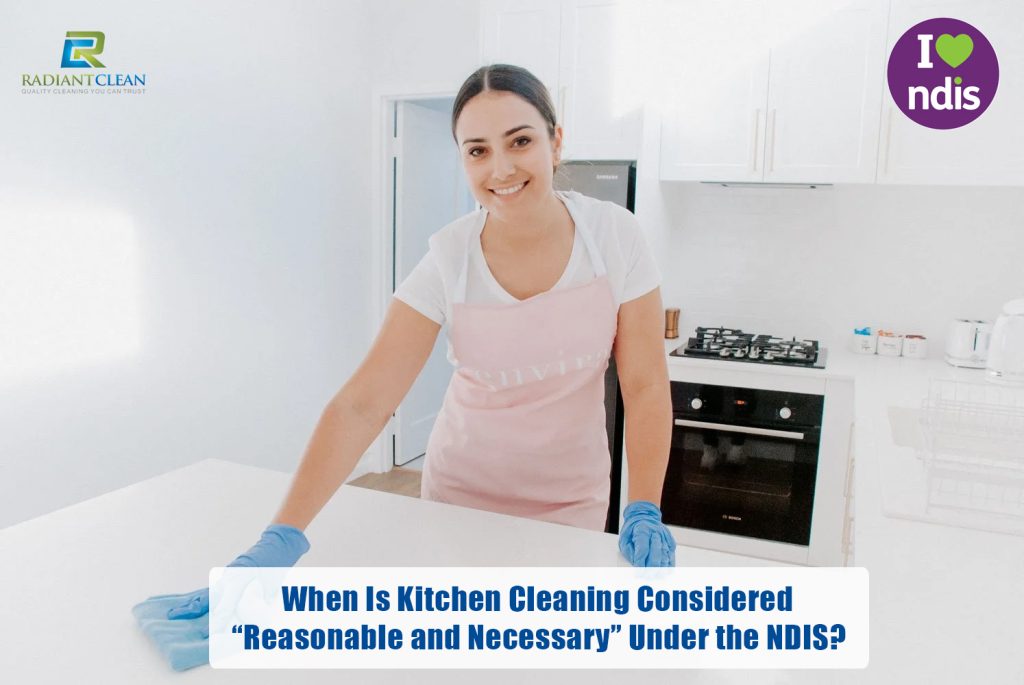
A clean and hygienic kitchen is essential for health, safety, and independent living. For many NDIS participants, disability-related challenges can make maintaining kitchen cleanliness difficult or unsafe. This leads Support Coordinators to an important consideration: when is kitchen cleaning considered “reasonable and necessary” under the NDIS? Understanding this helps ensure […]
Read More
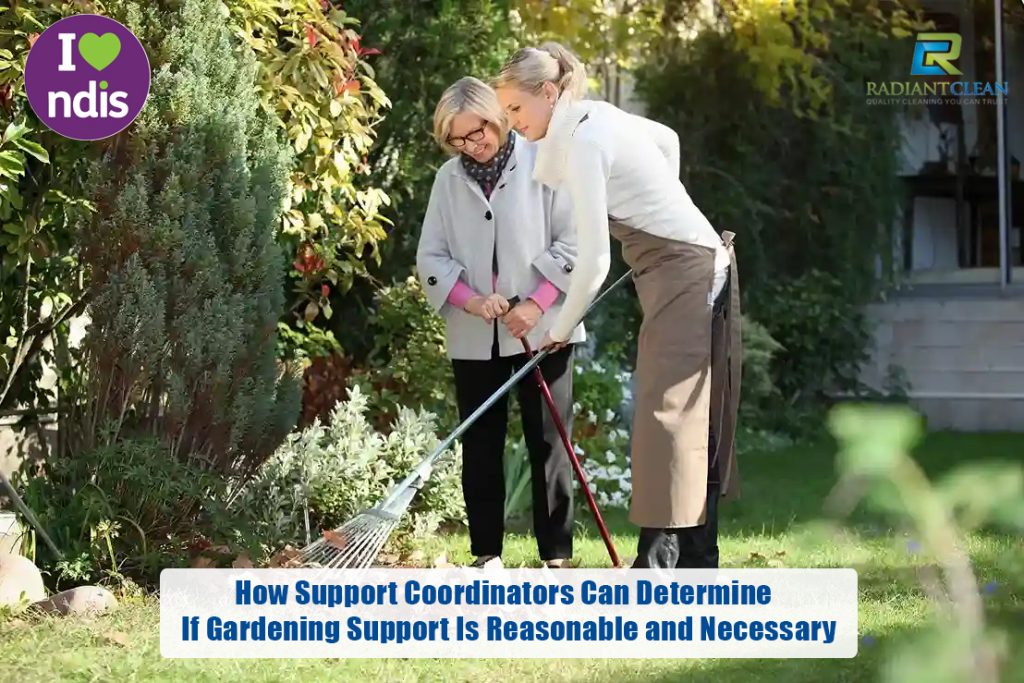
Gardening and yard maintenance can pose significant challenges for many NDIS participants. Tasks such as mowing lawns, pruning plants, or clearing pathways may be unsafe or impossible due to disability-related limitations. Under the NDIS, gardening support can be funded when it meets the “reasonable and necessary” criteria, and Support Coordinators […]
Read More
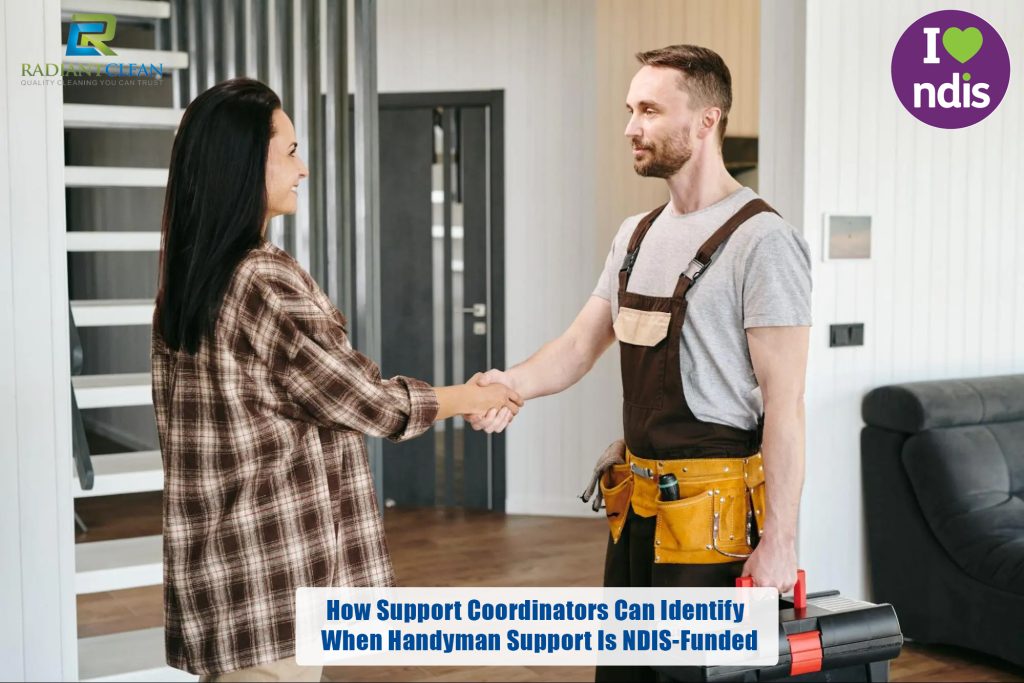
A safe and functional home environment is essential for NDIS participants to live independently and with dignity. However, small maintenance issues—such as loose handrails, broken doors, or unstable fixtures—can quickly become safety risks for participants with mobility, psychosocial, or sensory disabilities. For this reason, Support Coordinators play a key role […]
Read More
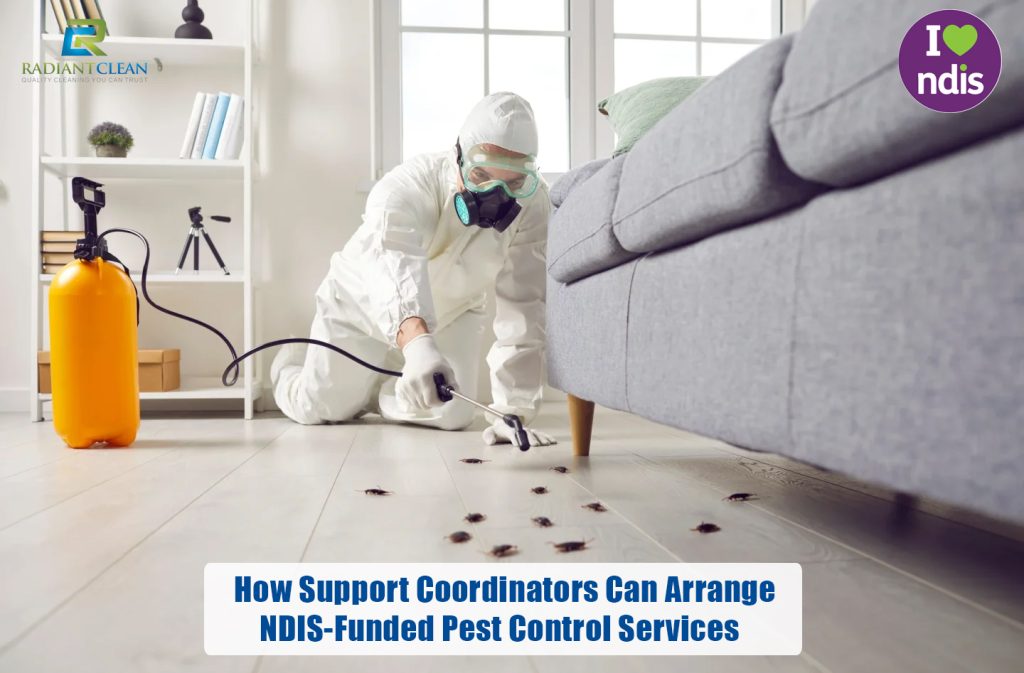
How Support Coordinators Can Arrange NDIS-Funded Pest Control Services A clean and safe living environment is essential for the health and wellbeing of NDIS participants. However, pest infestations such as cockroaches, rodents, ants, spiders, or bed bugs can create serious hygiene and safety risks. This is particularly true for participants […]
Read More
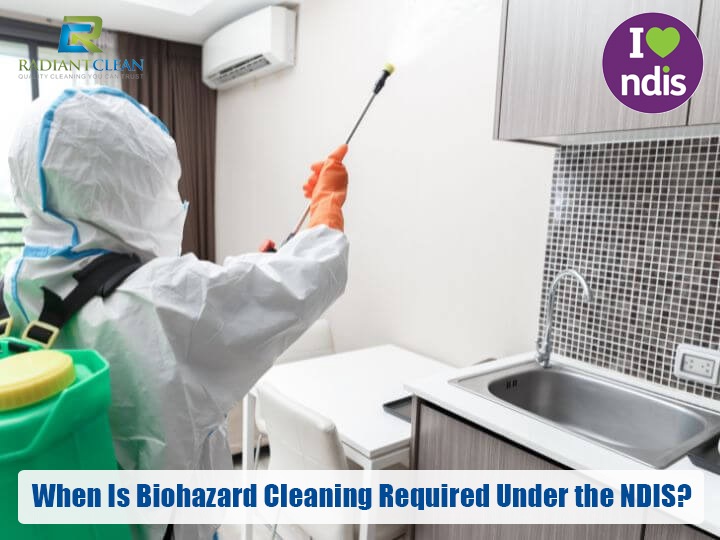
A Guide for Support Coordinators Biohazard situations can occur in NDIS participant homes when health, safety, or hygiene risks exceed what general cleaning can manage. In these cases, biohazard cleaning becomes a necessary and time-critical support, and Support Coordinators play a key role in identifying the need and arranging appropriate […]
Read More