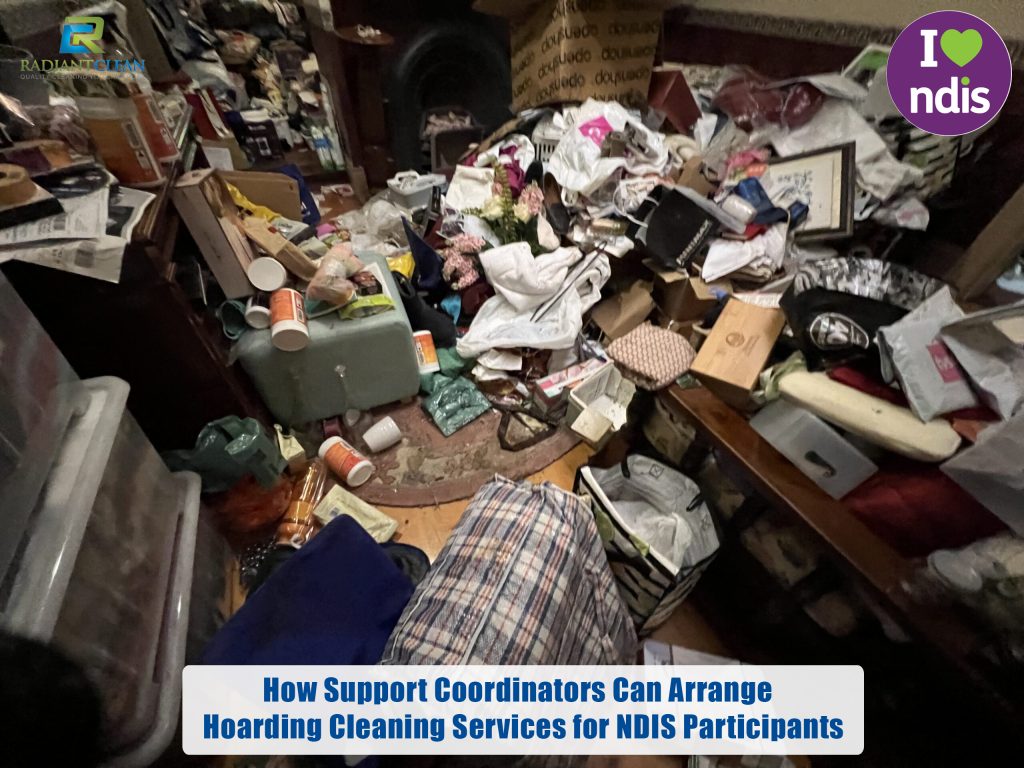
Supporting an NDIS participant living with hoarding requires a compassionate, structured approach. Hoarding can create serious health and safety risks, including blocked exits, fire hazards, pest infestations, and unsanitary living conditions. By arranging professional NDIS hoarding cleaning services, Support Coordinators can help participants maintain a safer home and improve their […]
Read More
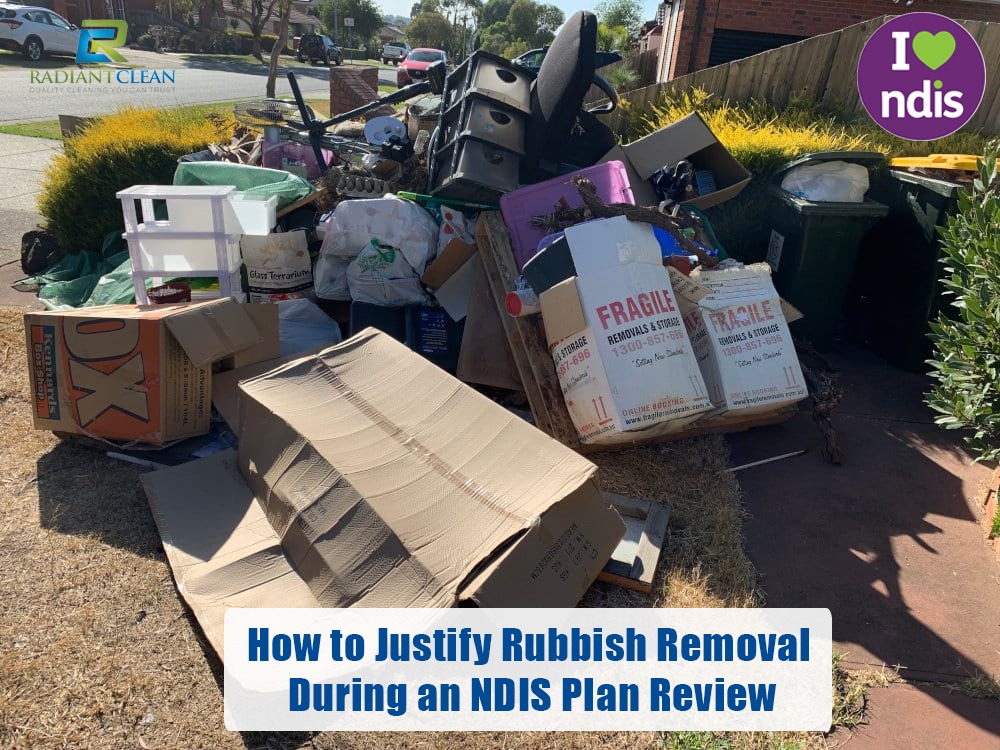
During an NDIS plan review, Support Coordinators may need to explain why rubbish removal is more than a household task. When excess waste or clutter creates safety risks or limits a participant’s ability to live independently, rubbish removal may support their disability-related needs and help achieve better outcomes. Link the […]
Read More
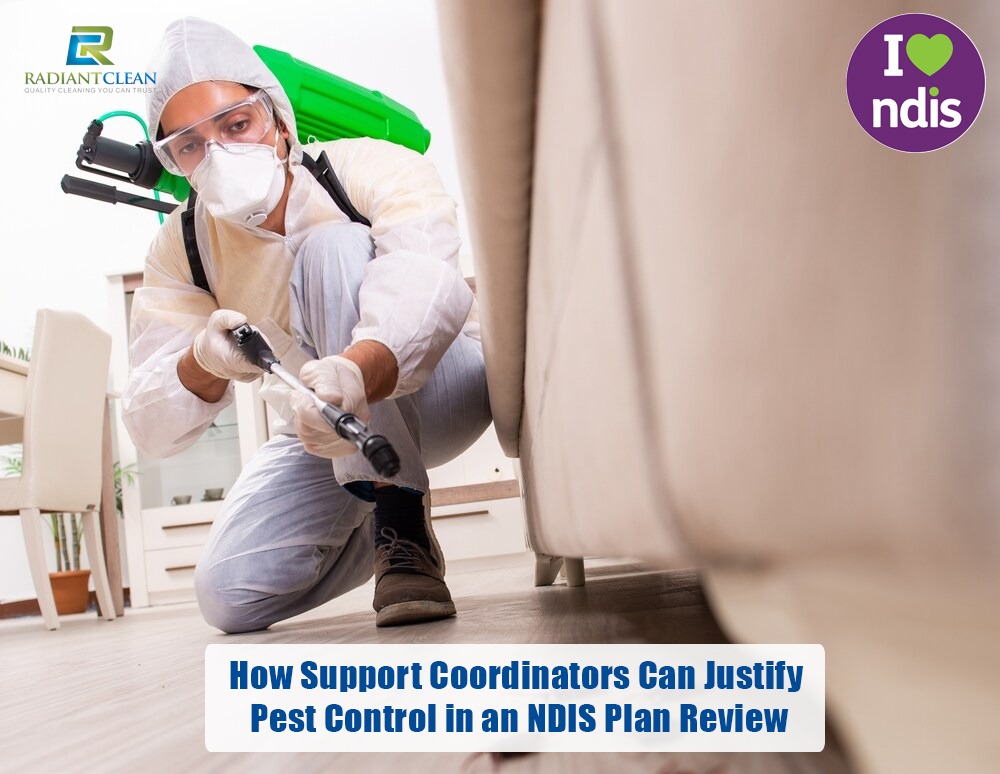
Pest infestations can create serious health and safety risks for NDIS participants, especially those whose disability makes it difficult to maintain a safe home environment. While NDIS pest control is not automatically funded, it may be considered if it meets the reasonable and necessary criteria. Support Coordinators play an important […]
Read More
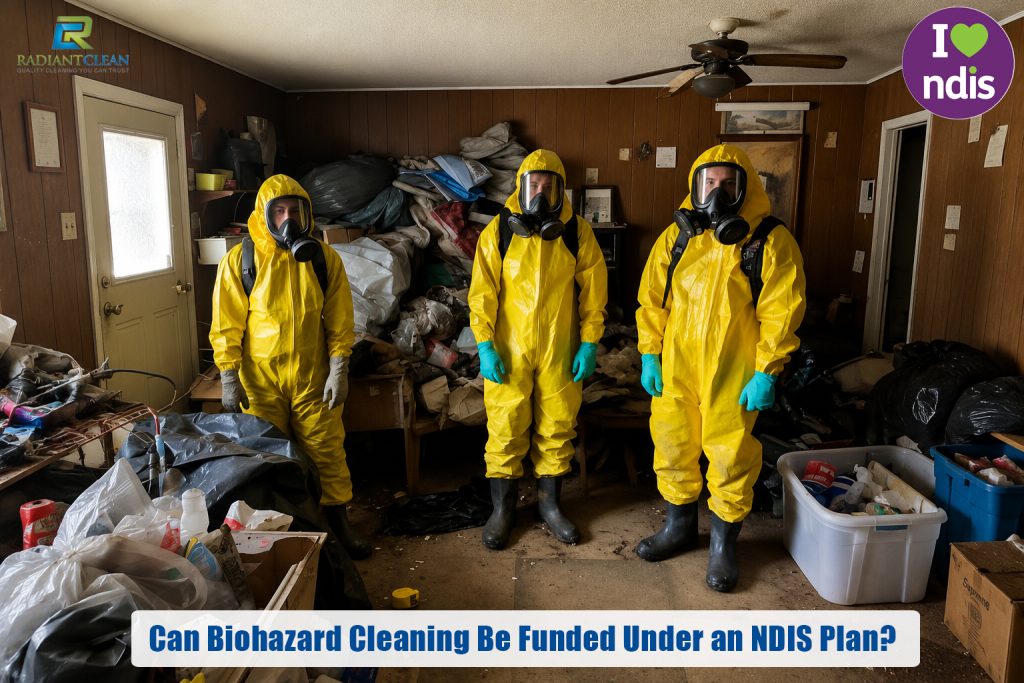
A safe and hygienic home is essential for the wellbeing of NDIS participants. In some cases, regular cleaning is not enough, and professional biohazard cleaning is required to remove blood, bodily fluids, infectious waste, or other hazardous contaminants. A common question from participants and Support Coordinators is whether these services […]
Read More
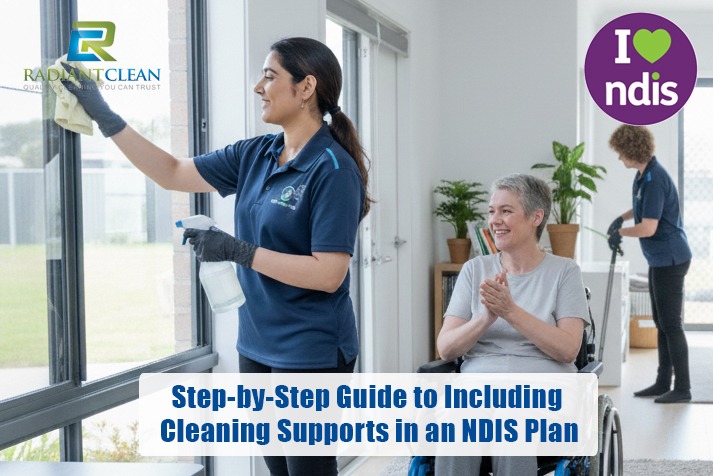
Maintaining a clean and safe home is essential for people living with disability. Under the National Disability Insurance Scheme (NDIS), cleaning supports can be funded when they are considered reasonable and necessary. For Support Coordinators, a structured approach helps ensure these supports are approved and effective. Assess Participant Needs Start […]
Read More
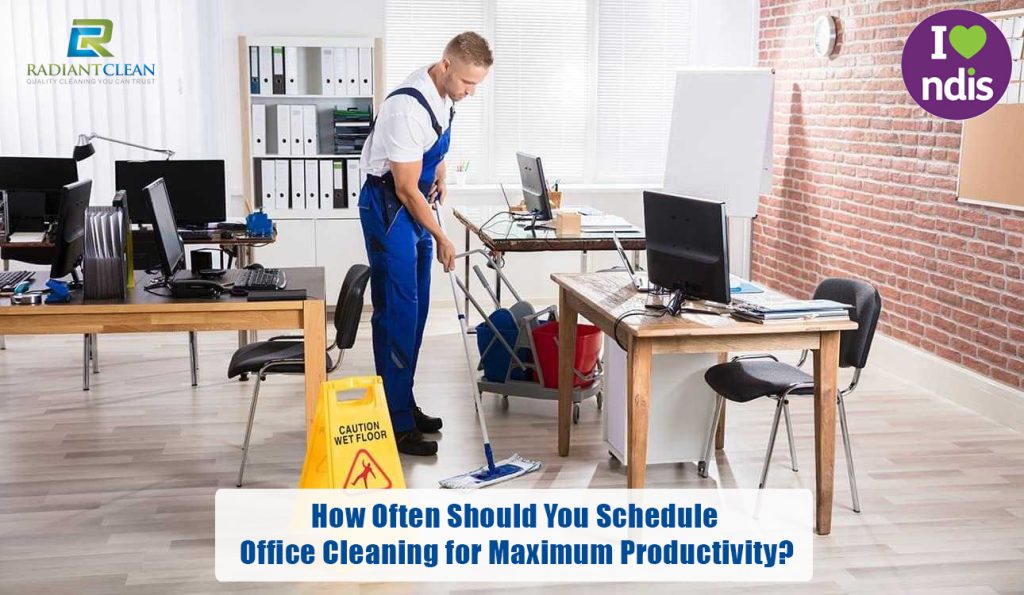
Keeping your office clean isn’t just about appearance—it directly affects employee productivity, health, and overall workplace performance. The ideal cleaning schedule depends on factors like office size, number of employees, and daily foot traffic. However, a structured approach can help most businesses maintain a productive environment. Why Cleaning Frequency Matters […]
Read More
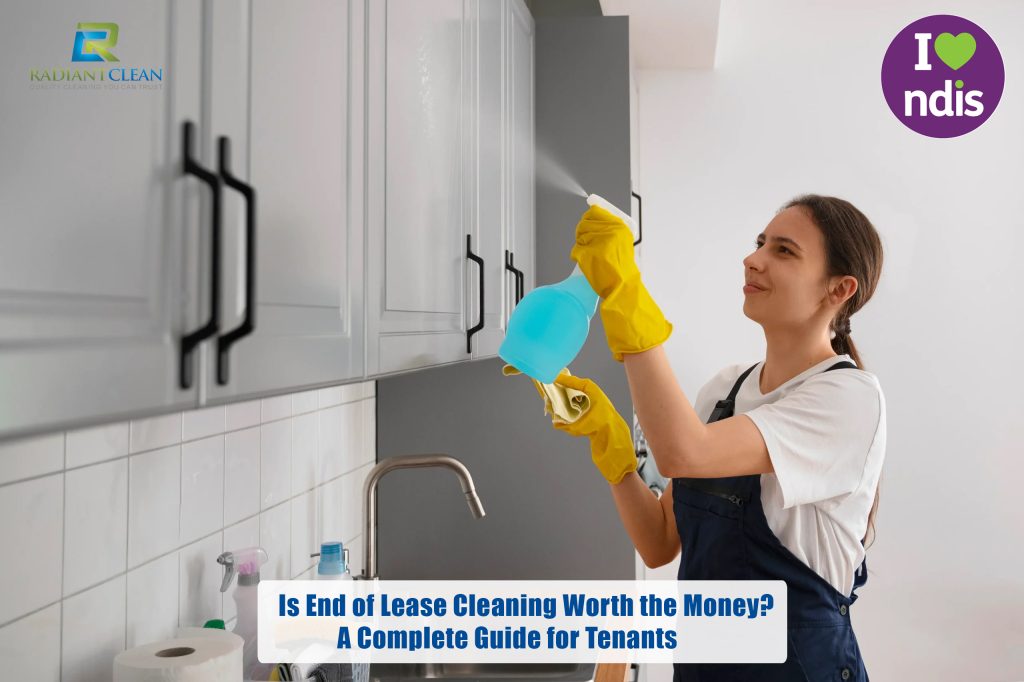
Moving out of a rental property comes with a long to-do list, and one of the biggest questions tenants ask is: Is end of lease cleaning worth the money? The answer depends on your situation, but in many cases, investing in professional cleaning can save you time, stress, and even […]
Read More
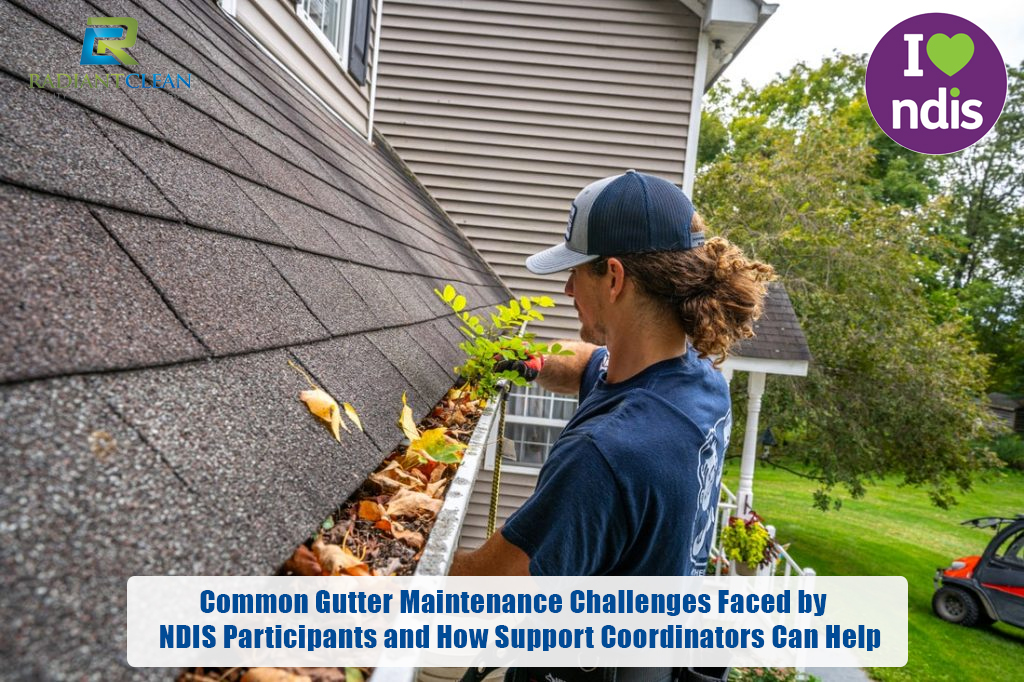
Common Gutter Maintenance Challenges Faced by NDIS Participants and How Support Coordinators Can Help Maintaining a safe and functional home environment is essential for people living with disability. However, in many cases, routine property maintenance tasks such as gutter cleaning can become difficult or unsafe for many participants. For example, […]
Read More
Maintaining a clean and safe home environment can support the wellbeing and independence of NDIS participants. While window cleaning may seem like a simple task, it can be an important home maintenance support for people with limited mobility or disability-related challenges. When arranging services, Support Coordinators should consider several key […]
Read More
Support Coordinators play an important role in helping NDIS participants access plumbing services when they are related to disability needs. However, not all plumbing work is covered under the NDIS. Eligibility depends on whether the support is reasonable, necessary, and directly linked to a participant’s disability. What Plumbing Services May […]
Read More